



 Cut measure


It is primarily open-plan and activity-based offices that give rise to disturbance-related problems, as they rarely have workspaces that support concentration and uninterrupted work. It means we need to consider the sound environment as a whole..
Cart
-
HangerCut sampleSample card
Cut measure
Total
- Shipping
- VAT
- Total (excl vat)
No products in cart
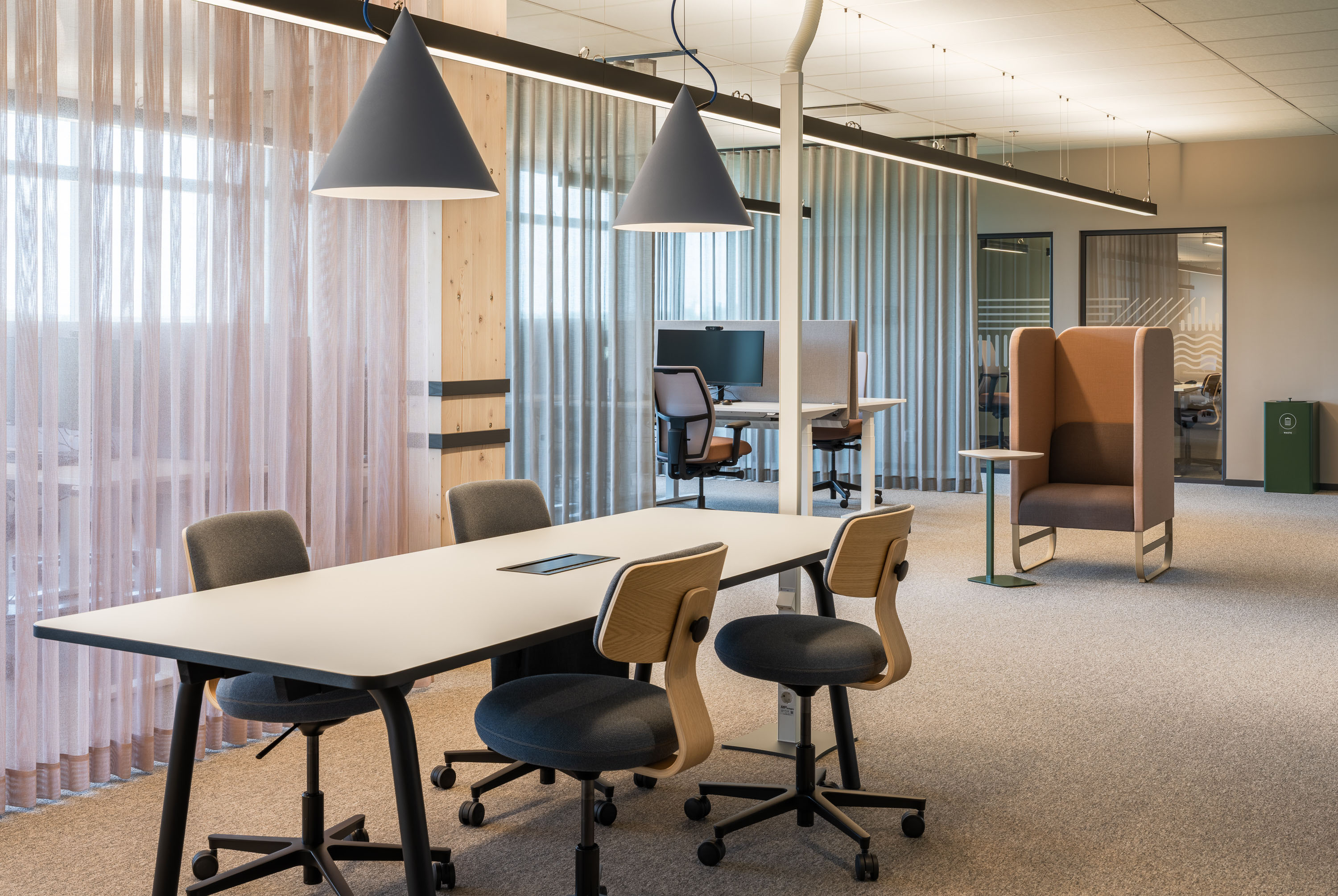
Designing sounds
What the pandemic taught us about sound and work environment
When we returned to the office after two years of working from home during the pandemic, we were able to compare work environments in a way that many hadn't done before. Together with the latest research, this has led to some interesting insights that Svensson shares here.
Covid-19 affected both how and where we (with office jobs) performed our work. When we were then able to return to the offices, we expected more flexible solutions than before for where we would carry out our work.
Problems in activity-based offices
According to a 2021 survey, most now prefer to work from home between one and three days a week. Having become accustomed to working from home – with fewer distractions in the work environment – people now more clearly notice the deficiencies in the design of today's office environments and, therefore, do not want to be in the offices as often as before.
Today's regulations and directives
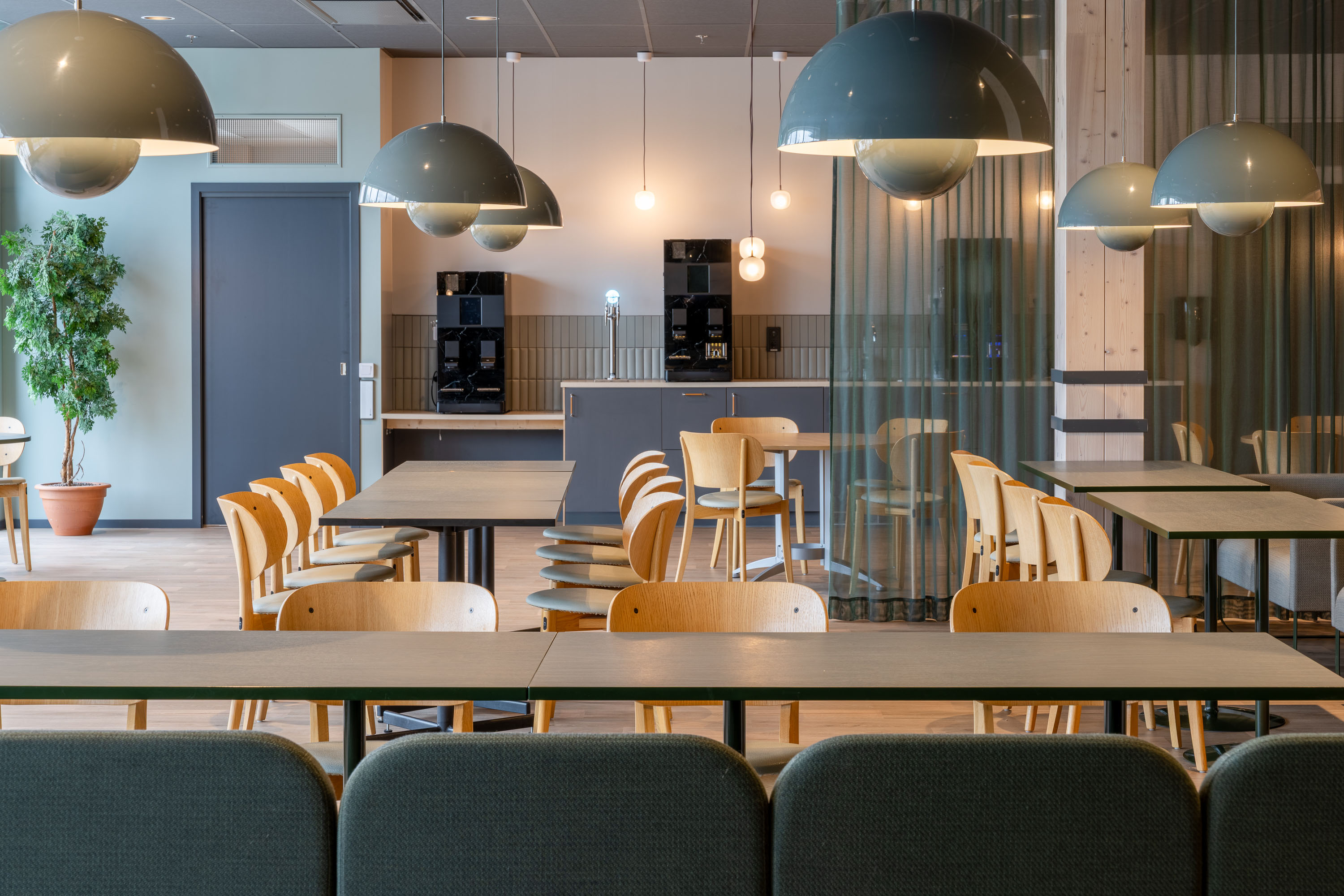
When it comes to working with sound environments in today's office, most methods focus on reducing unwanted noise. Both research and legislation have focused on how sources of "unwanted sound" can be managed, and how we are disturbed by these sounds.
The pattern is clear: Official regulations such as the European Noise Directive and technical guidelines from EEA and WHO focus solely on reducing environmental noise and noise levels. This means that sound environments are assessed and addressed based on decibel levels.
However, how a sound environment is perceived is much more complex than just the sum of its decibels.
What we can learn
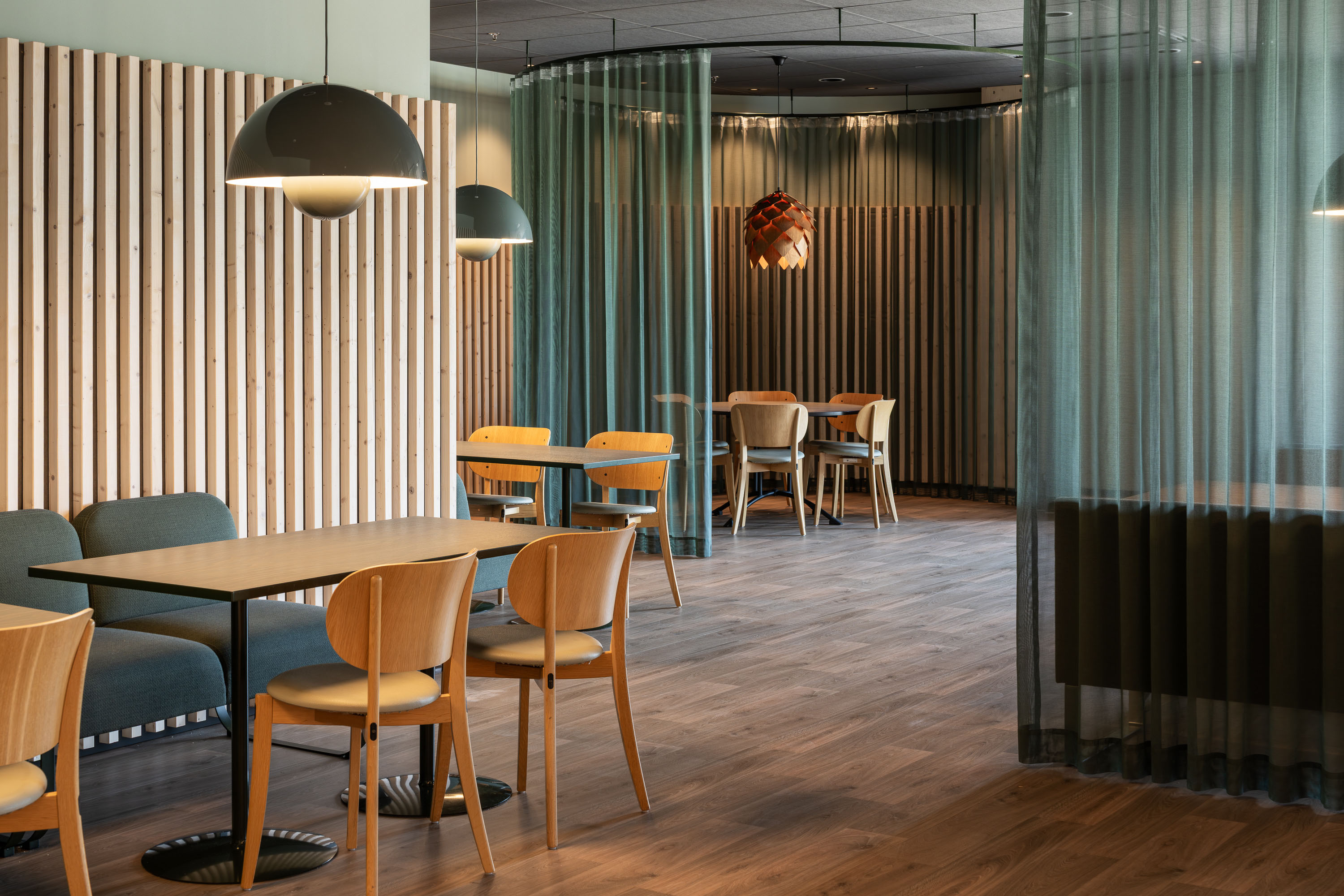
For example, research has shown that sounds that are not meaningful to the person hearing them can be really unpleasant (even at low decibels). And that sounds coming from sources we like are perceived as pleasant even if the decibels are high. Thus, only lowering the decibel level cannot guarantee a better sound environment in the office. On the contrary, research reports indicate that too quiet environments can actually contribute to a sense of anxiety and worry. And ironically enough, one of the big problems in office landscapes today is that they have become too muted, while many people are cramped in too small a space. There, we are more disturbed by other people's conversations than by noise.
A thought experiment
So to test applying these lessons: Imagine we are designing the sound environment in a workplace together. Let's forget about sound-related directives and building requirements for a moment, and instead focus on the challenge of creating a balance between different functions in the room. A balance that suits groups or teams – while allowing for individual needs.
What kind of tasks are being performed, what is the level of complexity? How do we make it possible for colleagues to both collaborate with others, or concentrate on their own tasks in one and the same place?
Considering multiple senses
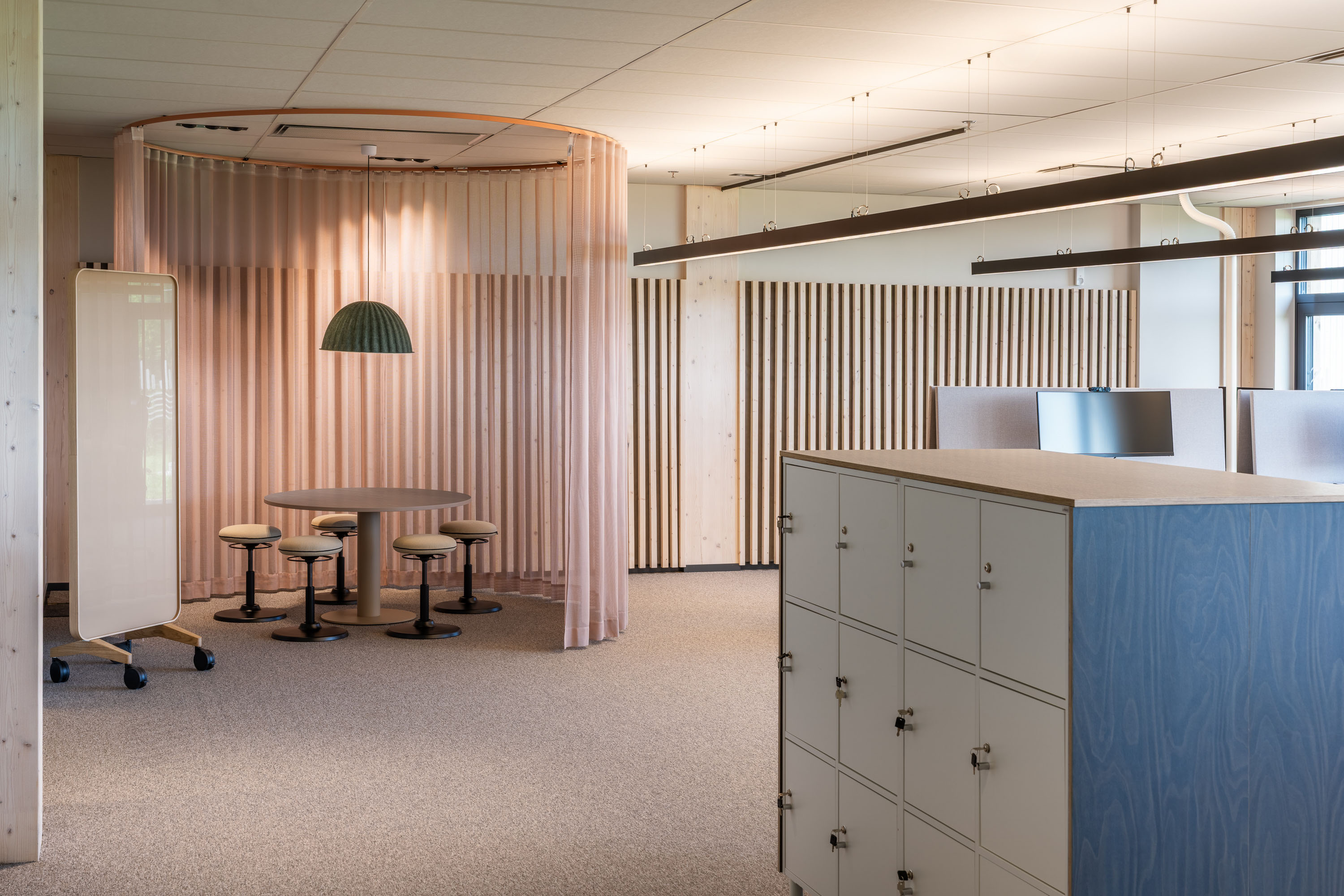
Finally, we also want to highlight what our concept Designing sounds is about; that a sound environment is not just about hearing. What we hear is also affected by other senses, such as smell and touch, for example. Not to mention sight and spatial experience. Therefore, we can influence people's perception of the sound environment through the visual and spatial design of the room they are in.
Many of the "post-pandemic" insights in this article come from office design, but they apply equally to the design of schools, hospitals, and other environments where we share spaces with each other.
Even before COVID-19, we knew quite a bit about levels, noise, and disturbances – but perhaps it was only when we were together again after the pandemic that we understood what everything meant.

The article is written by Martin Ljungdahl Eriksson, PhD in informatics with a focus on work-integrated learning, who researches the use of sound as a design element to influence experiences and behaviours.
Designing sounds
More articles

10 Dec 2025 | Designing sounds
More than just silence
The sound environment affects us more than we think – and for many, it is introduced too late in room design. Here we highlight how sound, form, and humans interact, and why a broader perspective is necessary for sustainable and functional environments.

10 Nov 2025 | Designing sounds
How the sound environment affects our experience
The sound environment is never just background noise – it is shaped by the room, the activity, and the people there. Here we explore how different factors affect our experience and what you, as a designer or responsible person, can do to create a sound environment that both feels and functions well.
04 Nov 2025 | Designing sounds
What research can teach us about the sound environment
Research shows that the sound environment affects both our well-being and performance. Here we summarise what the studies say – and how textiles and design can contribute to more balanced and pleasant rooms.
14 Oct 2025 | Designing sounds
Experiences in the sound environment
The sound environment affects how we feel, think, and work. At the same time, the visual framework and the context itself will in turn affect how we perceive the sound environment. It is therefore a complex interplay between the senses, and precisely what Designing sounds is all about.
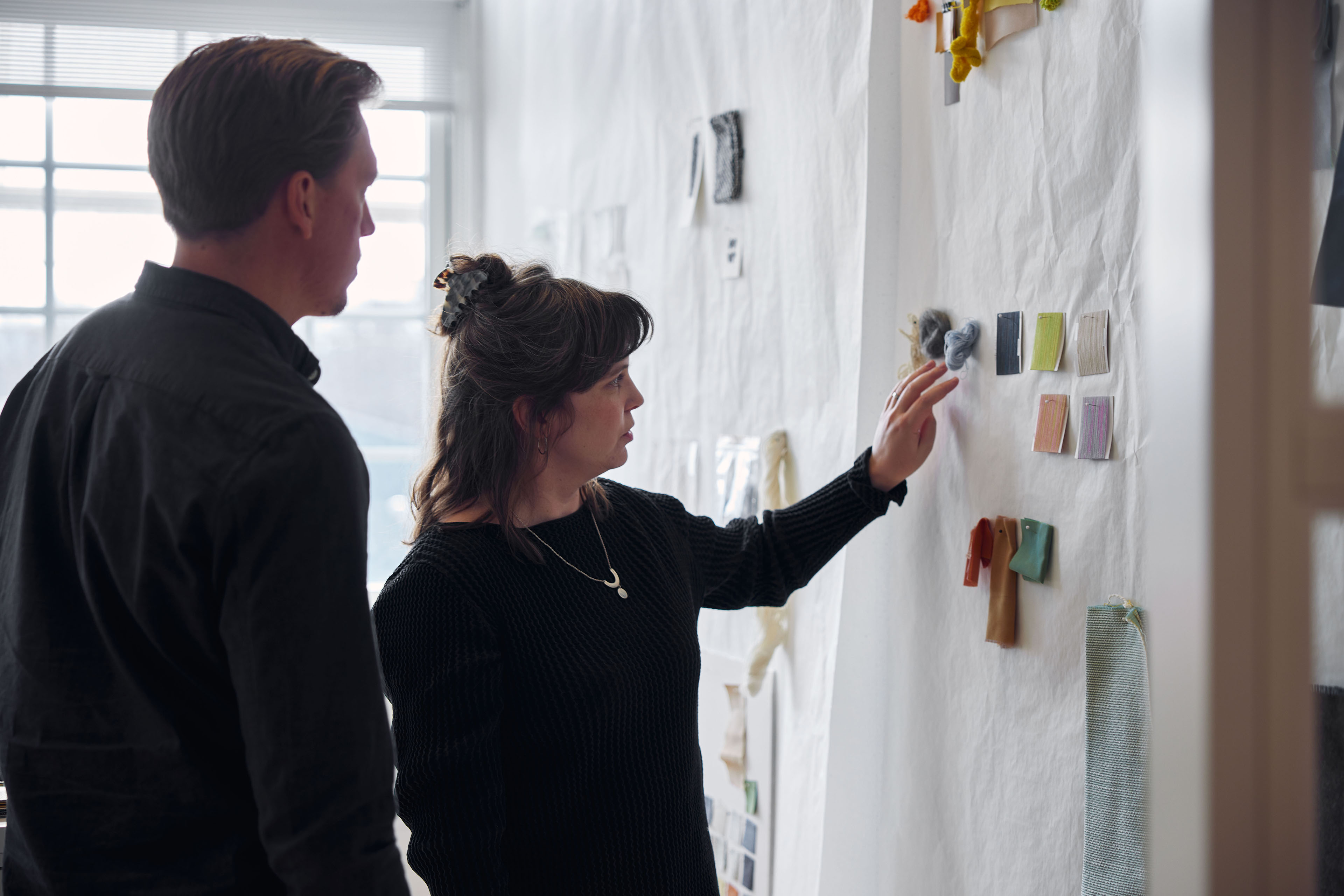
07 Oct 2025 | Designing sounds
A clear idea of the environment one wants to create
What shapes a sound environment, and what significance do the visual elements have? To gain a design perspective on the question, we had a conversation with the design department at Svensson.
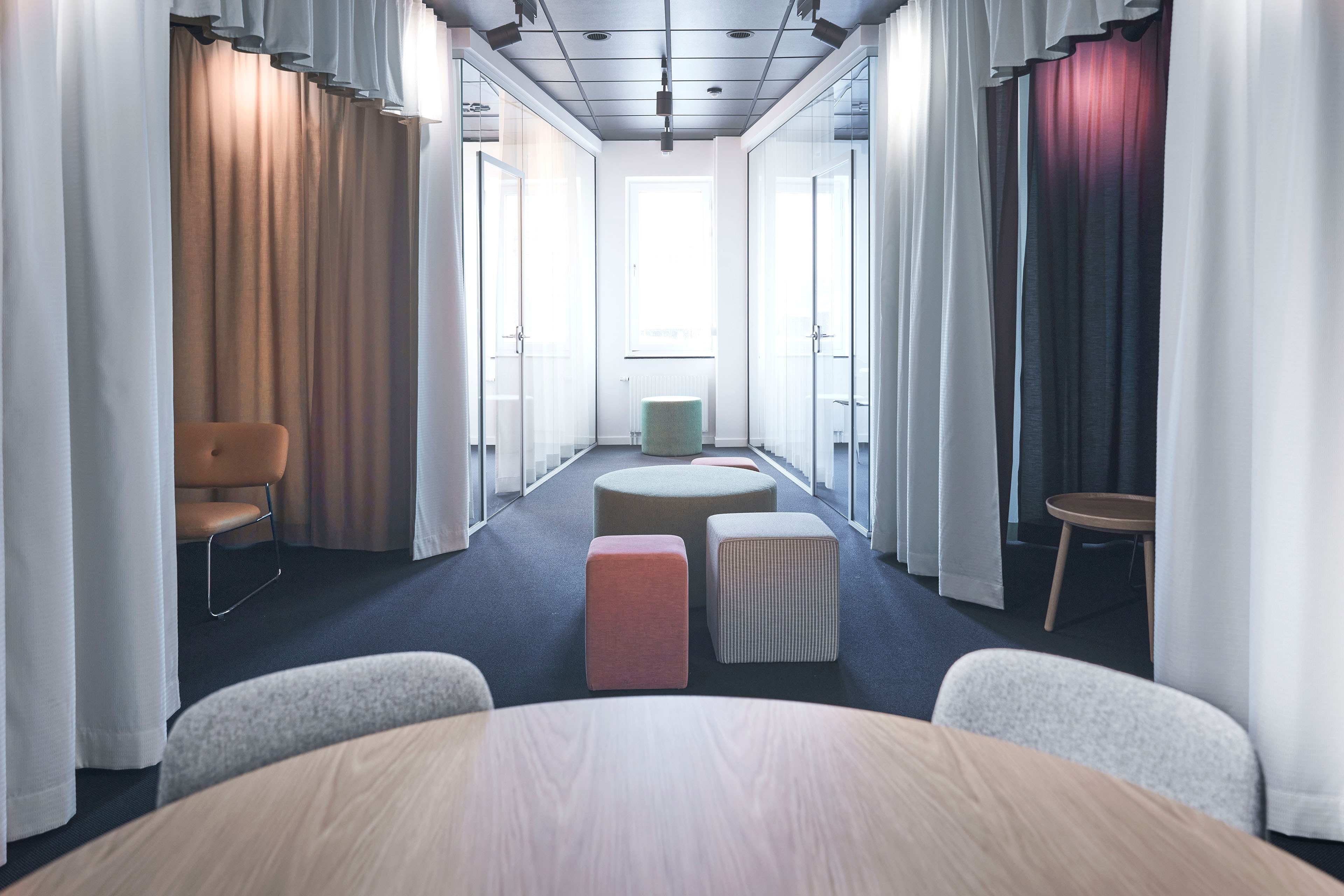
26 Sept 2025 | Designing sounds
Test the function room
If you want to truly experience the qualities of the textiles, you are warmly welcome to our function room.
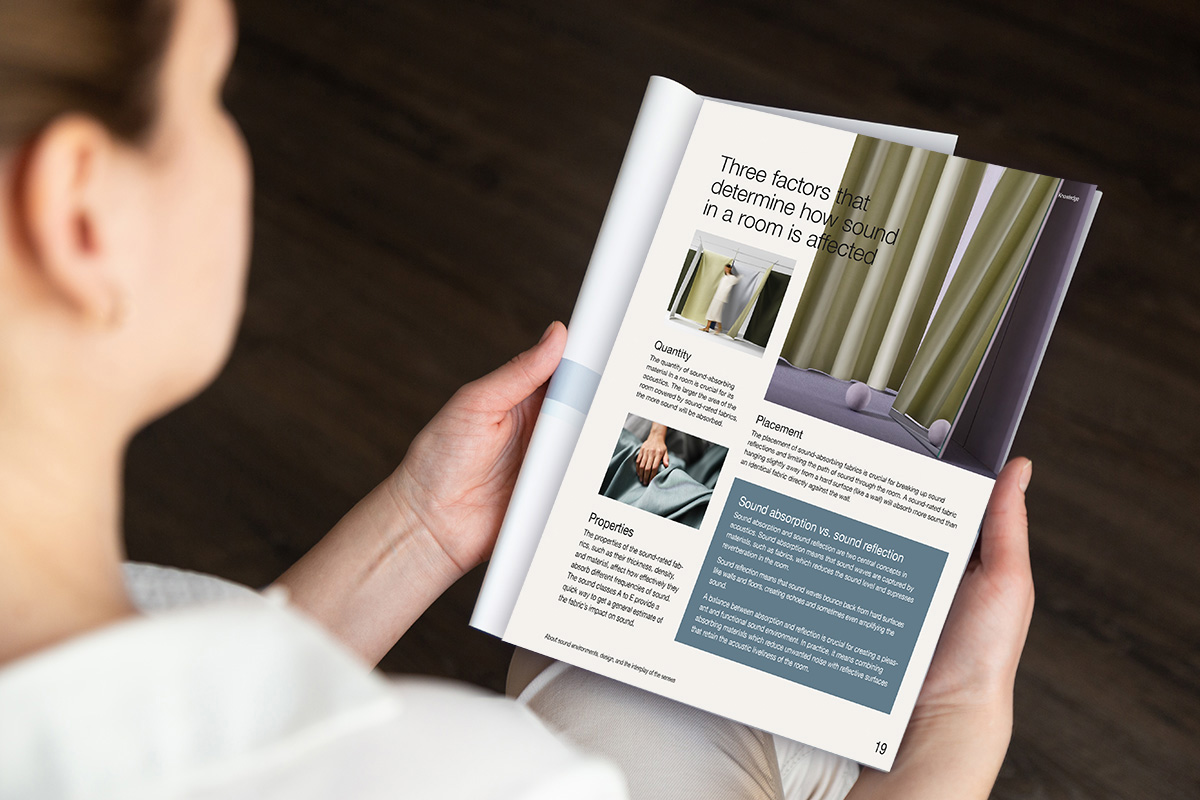
06 Aug 2025 | Designing sounds
Read our guide
The interaction between sound and visual design is becoming increasingly important for our experience of public environments. With Designing sounds, we explore this dynamic to find inspiration for a more holistic design philosophy.

06 Aug 2025 | Designing sounds
Create an inclusive and supportive learning environment
In a time when our senses are constantly overwhelmed by information, it becomes increasingly important to understand how different sensory impressions, such as sound and visual design, can work together to create a balanced and healthy environment. Textiles offer unique opportunities to enhance the sound environment, regulate light impressions, and create flexible spaces that contribute to increased well-being and focus for students and school staff.
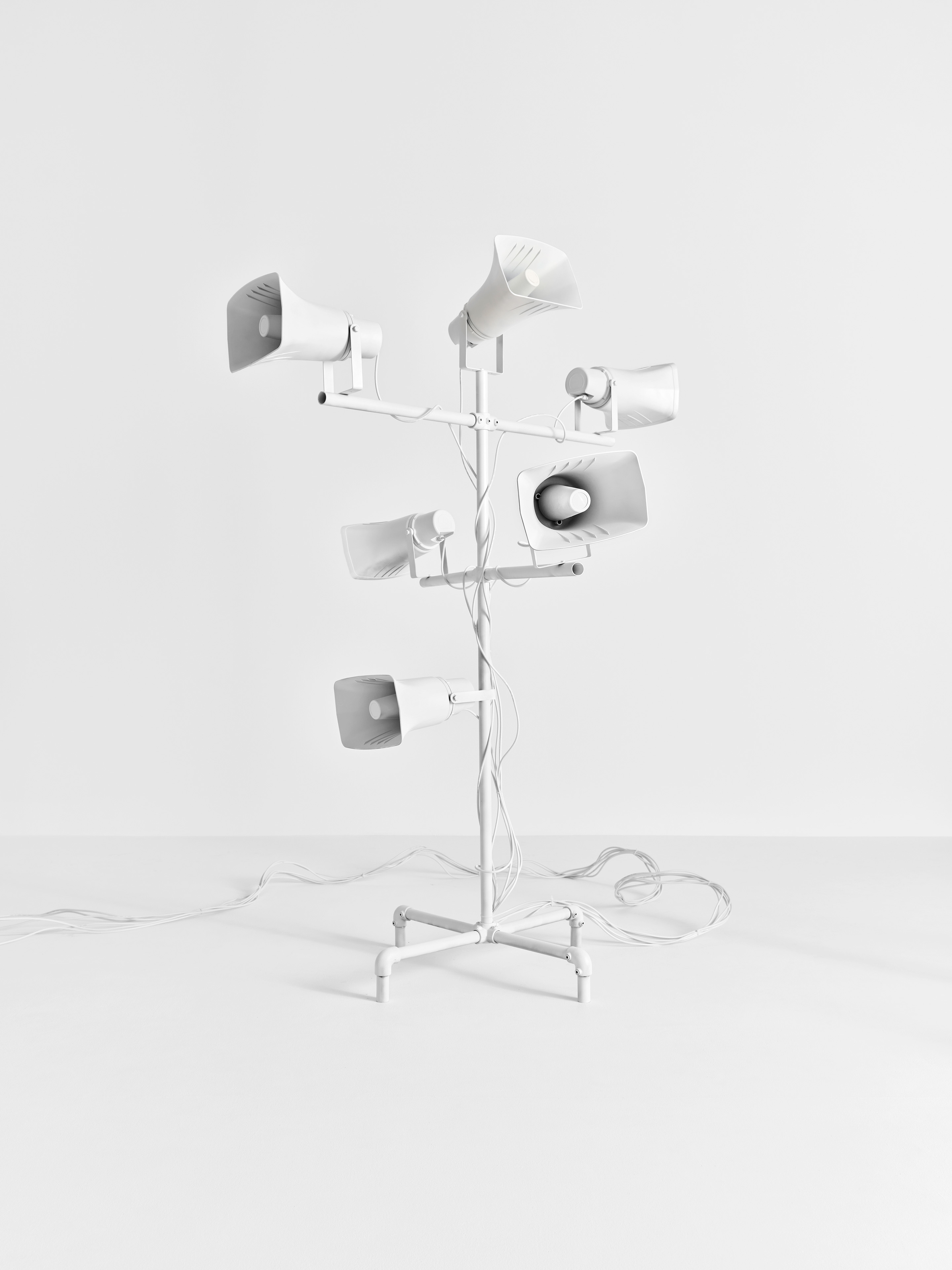
20 Jun 2025 | Designing sounds
Construction and testing
In the same way that a sunshade transmits, reflects, and absorbs different proportions of light, a curtain does the same with sound.
16 Jun 2025 | Designing sounds
Predict the acoustics with Svensson's tool
By predicting the acoustics at an early stage of your project, you can ensure that the technical solutions are seamlessly integrated into your vision.
13 May 2025 | Designing sounds
How sound-rated textiles work
Textile is a perfect material to complement other acoustic solutions with. Especially curtains that are developed to absorb sound.
21 Apr 2025 | Designing sounds
Classification
A product's ability to absorb sound determines its sound absorption coefficient. It can range from 0.0, which means no absorption, to 1.0, which is total absorption.