



 Cut measure


Two people in the same sound environment can experience it differently due to various focuses on sound sources, preconceptions, previous experiences of the sounds in the sound environment, or different activities that affect their experience.
Cart
-
HangerCut sampleSample card
Cut measure
Total
- Shipping
- VAT
- Total (excl vat)
No products in cart
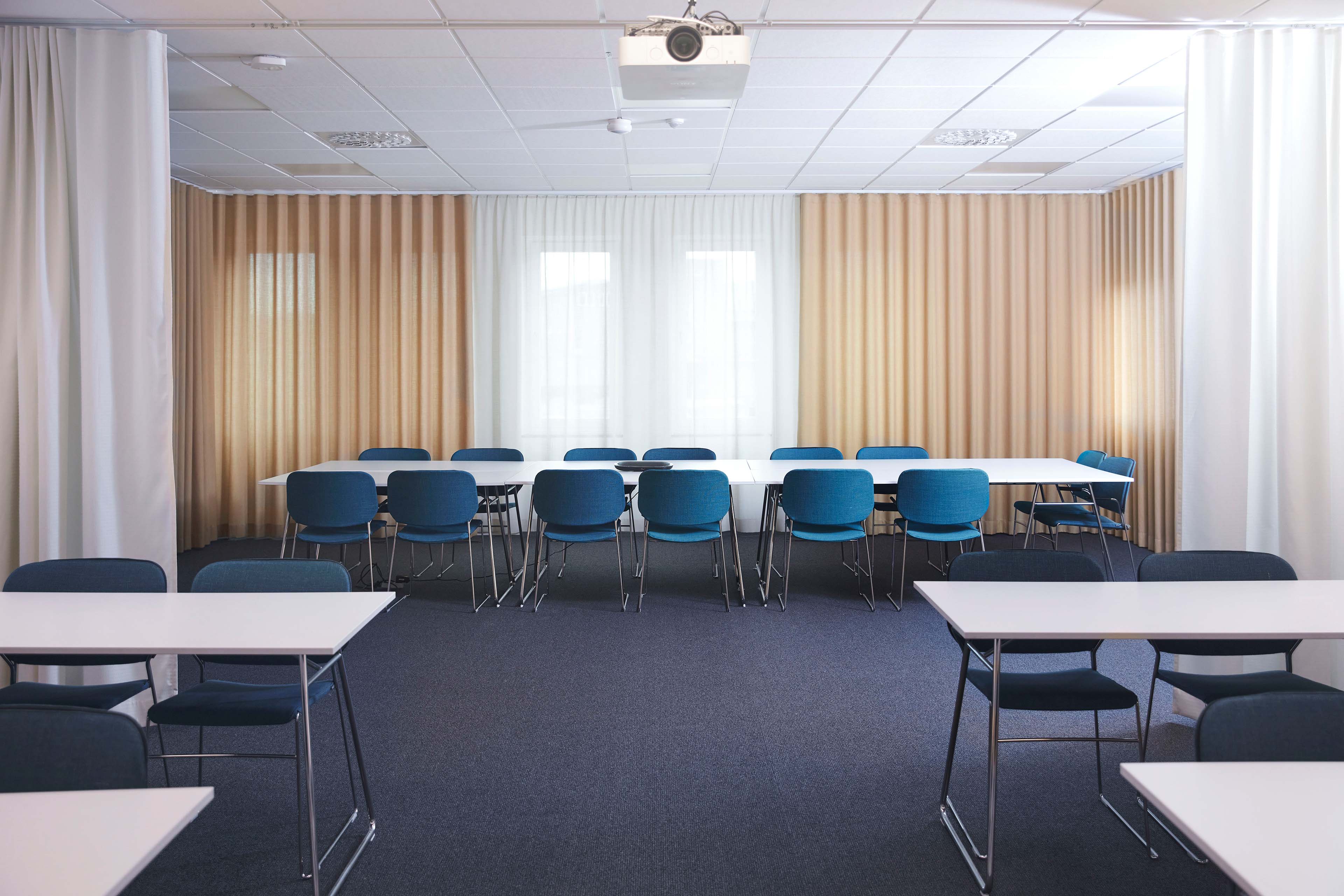
Designing sounds
What research can teach us about the sound environment
A good sound environment that interacts with the visual design and provides a meaningful overall experience is important for our health and well-being. But achieving this is certainly a balancing act, with factors influencing both externally and internally.
For example, a person performing tasks that require high concentration in an open office environment might find a certain level of noise disturbing, while another person doing less cognitively demanding tasks in the same environment might not be affected in the same way.
In addition to hanging fabrics, the room's furniture obviously plays an important role. Here, there are endless possibilities to create an interior with textile-covered furniture that greatly impacts the room's sound environment. With both hanging and covered forms, an inviting interior is created where people feel comfortable.

Time to leave the traditional behind us
Many workplaces, especially those with open office landscapes, face challenges when it comes to the sound environment. Traditional methods focusing on decibel levels and eliminating disruptive noise can lead to an overly quiet environment that does not benefit productivity or well-being. Research shows that an optimal sound environment requires a balance between functions that suit both group and individual needs when planning and designing sound environments.
The sound environment affects our experience in an individual and subjective way. However, conventional methods for measuring and evaluating sound environments often do not take this fact into account.
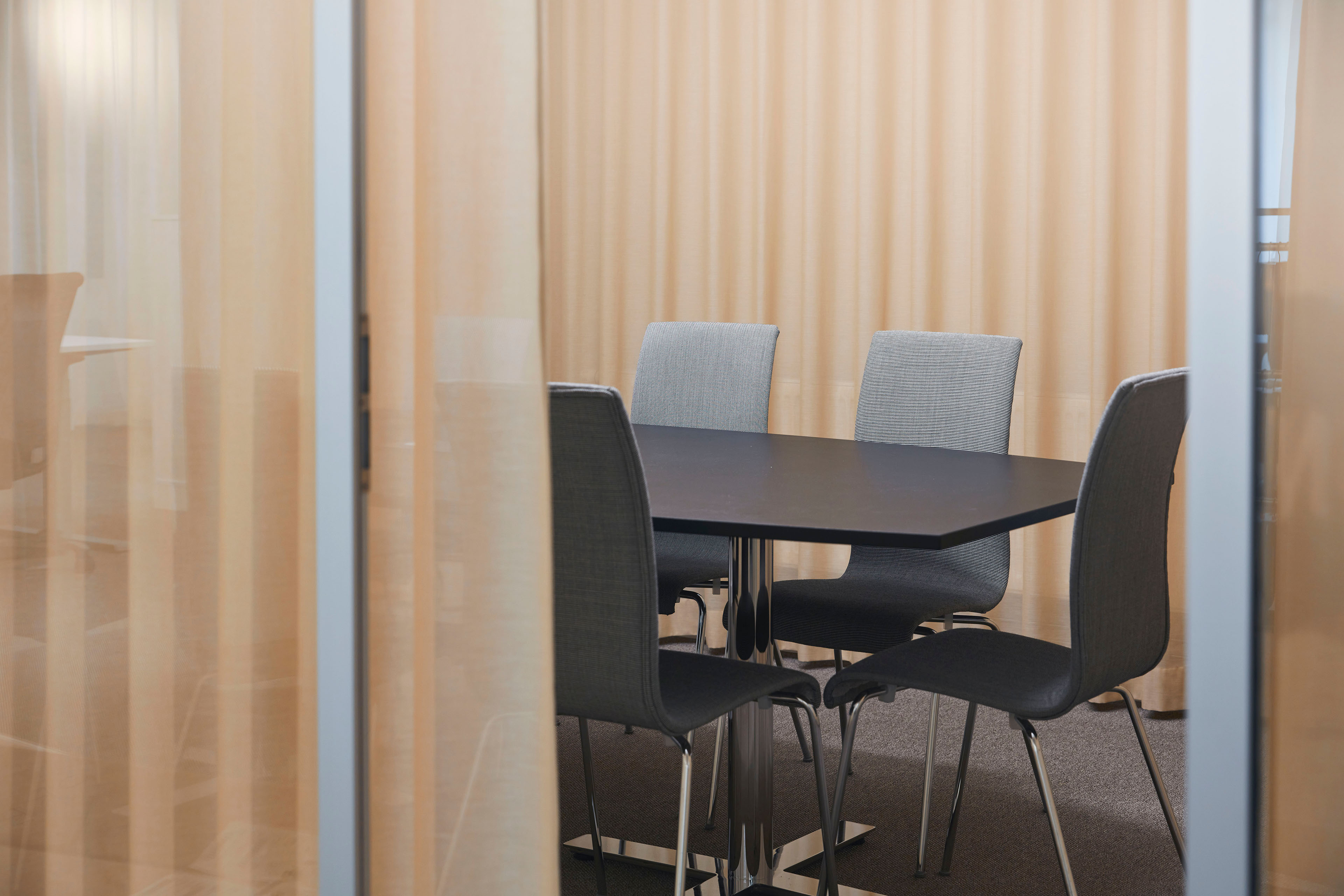
A complex solution
We need to become more aware of people's needs and preferences when working with sound environments. There is no universal solution that works for everyone; instead, we must create a sound environment that is tailored to different work tasks and individual needs.
It is not enough to only reduce noise levels, it is also important to create an environment that is adapted for those who work there. A sound environment that is not created with these factors in mind can cause disruptions in the work environment and negatively affect productivity and well-being.

Interaction for a healthy environment
To create a healthy and pleasant working environment, it is important to have a holistic approach to design. For example, insufficient lighting can affect how we perceive the sound environment. And if a workplace has too much visual stimulation, it can lead to sensory overload and a stressful working environment.
Therefore, it is important to create a visual design that complements the sound environment and promotes productivity and well-being. Textile elements, and not just for example ceiling sound absorbers, are an example of materials that add both function and visual harmony. Something dynamic that breaks, frames, or complements.
A good workplace design – created from a clear idea regarding shapes, colours, and damping, but also with room for sound – considers how all elements interact to create an overall experience that is healthy and pleasant to be in.
We need to start seeing, feeling AND listening to understand if it sounds good.

The article is written by Martin Ljungdahl Eriksson, a doctor in informatics with a focus on work-integrated learning, who researches the use of sound as a design element to influence experiences and behaviours.
Designing sounds
More articles

10 Dec 2025 | Designing sounds
More than just silence
The sound environment affects us more than we think – and for many, it is introduced too late in room design. Here we highlight how sound, form, and humans interact, and why a broader perspective is necessary for sustainable and functional environments.

10 Nov 2025 | Designing sounds
How the sound environment affects our experience
The sound environment is never just background noise – it is shaped by the room, the activity, and the people there. Here we explore how different factors affect our experience and what you, as a designer or responsible person, can do to create a sound environment that both feels and functions well.
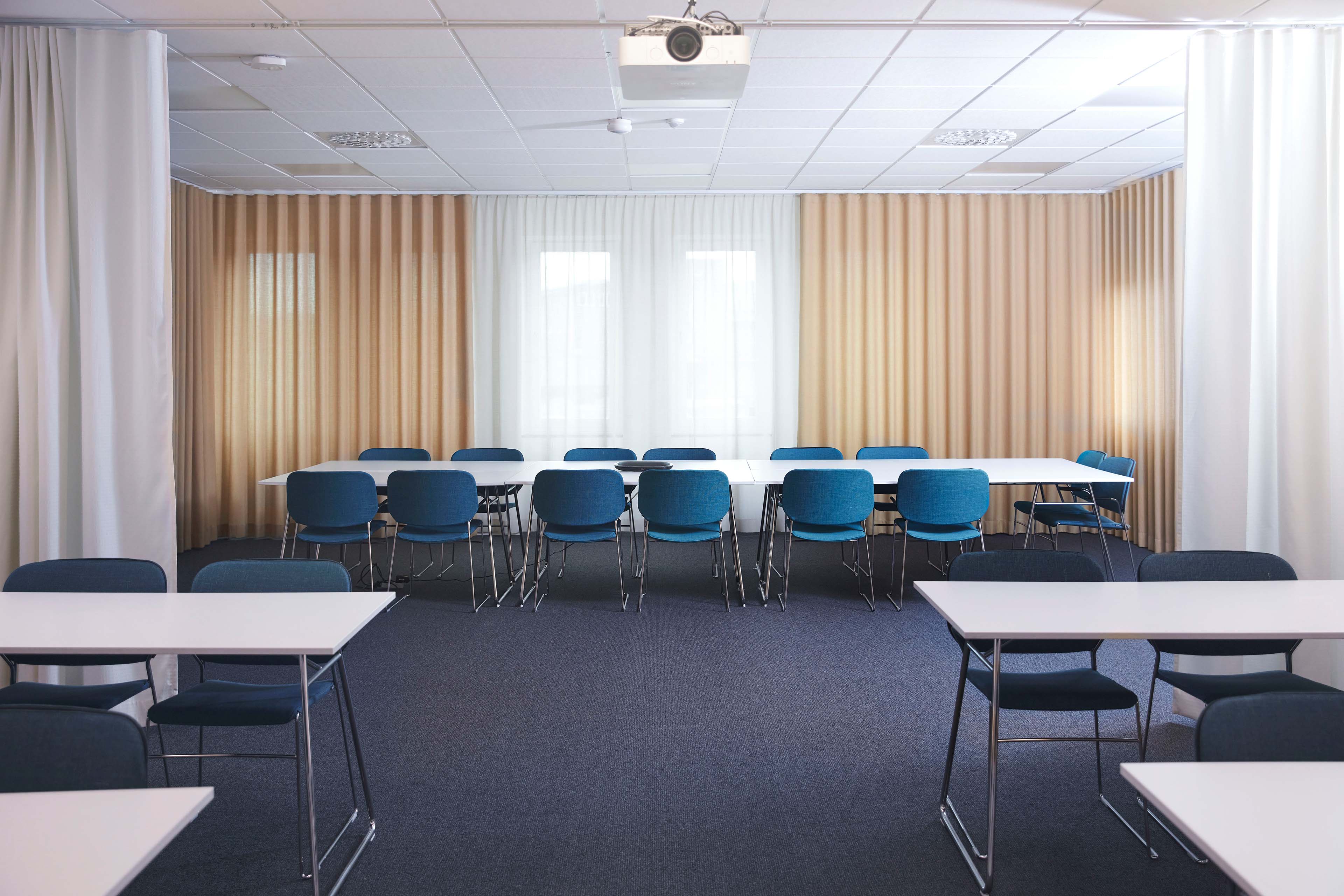
04 Nov 2025 | Designing sounds
What research can teach us about the sound environment
Research shows that the sound environment affects both our well-being and performance. Here we summarise what the studies say – and how textiles and design can contribute to more balanced and pleasant rooms.
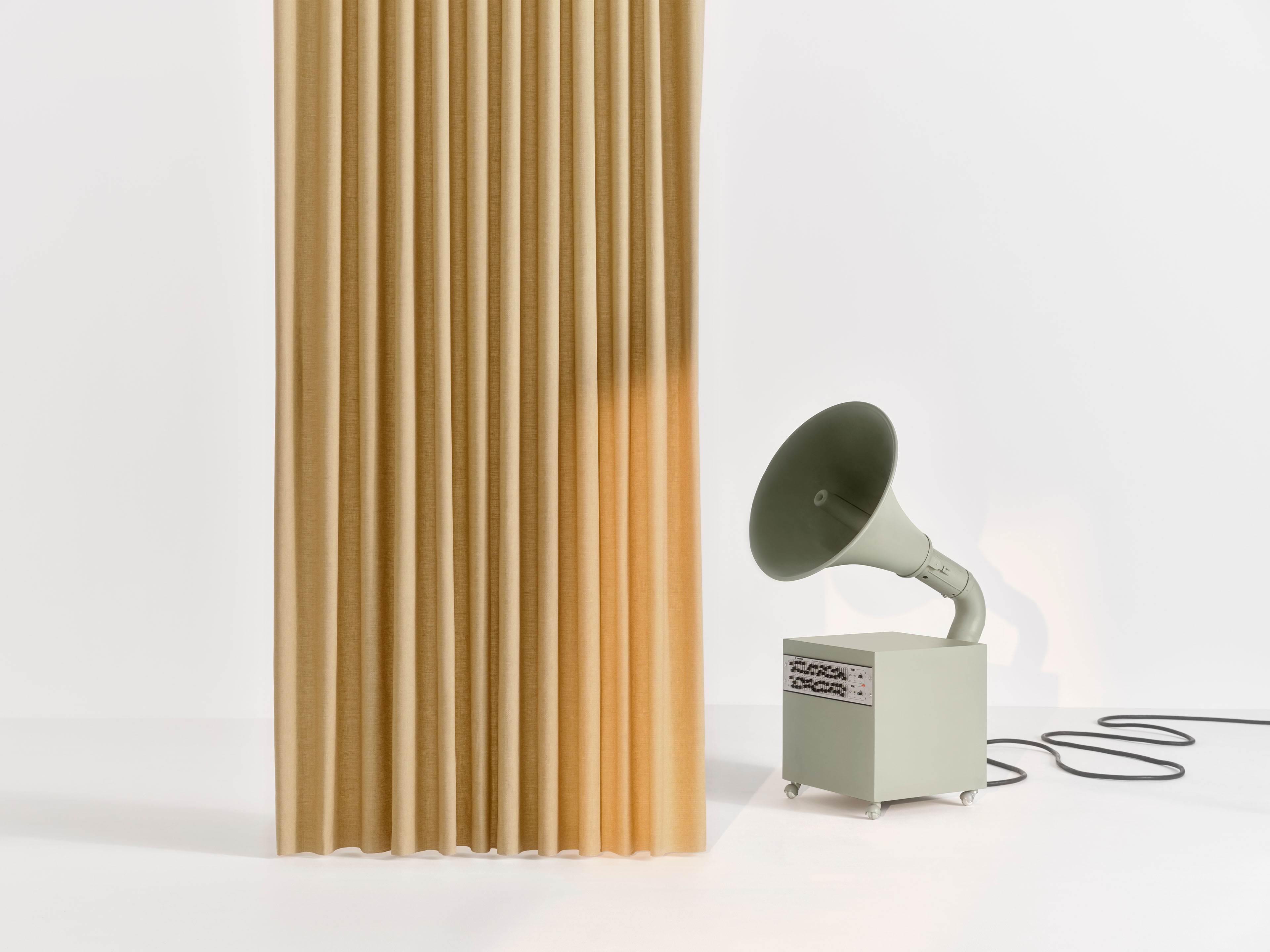
14 Oct 2025 | Designing sounds
Experiences in the sound environment
The sound environment affects how we feel, think, and work. At the same time, the visual framework and the context itself will in turn affect how we perceive the sound environment. It is therefore a complex interplay between the senses, and precisely what Designing sounds is all about.
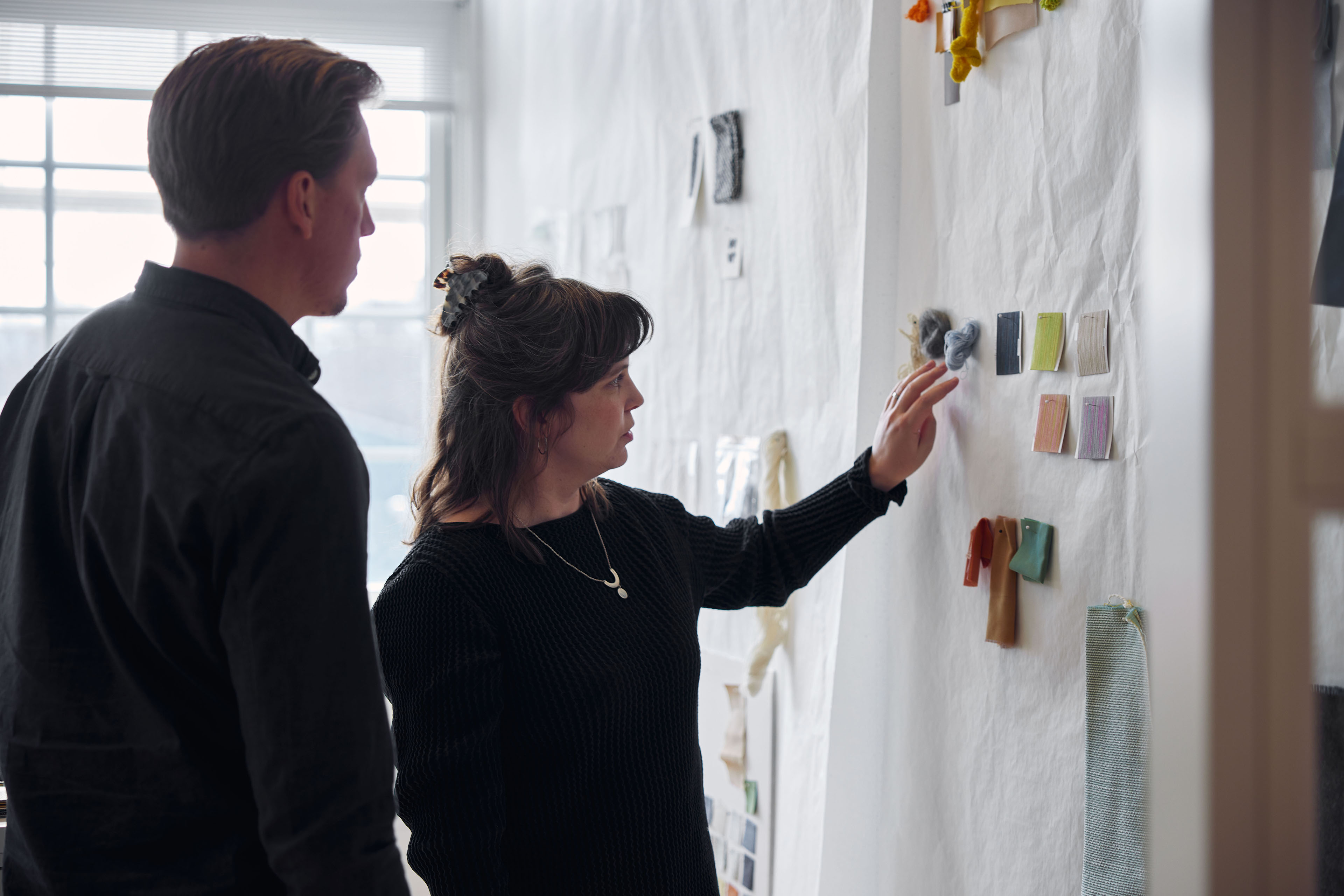
07 Oct 2025 | Designing sounds
A clear idea of the environment one wants to create
What shapes a sound environment, and what significance do the visual elements have? To gain a design perspective on the question, we had a conversation with the design department at Svensson.
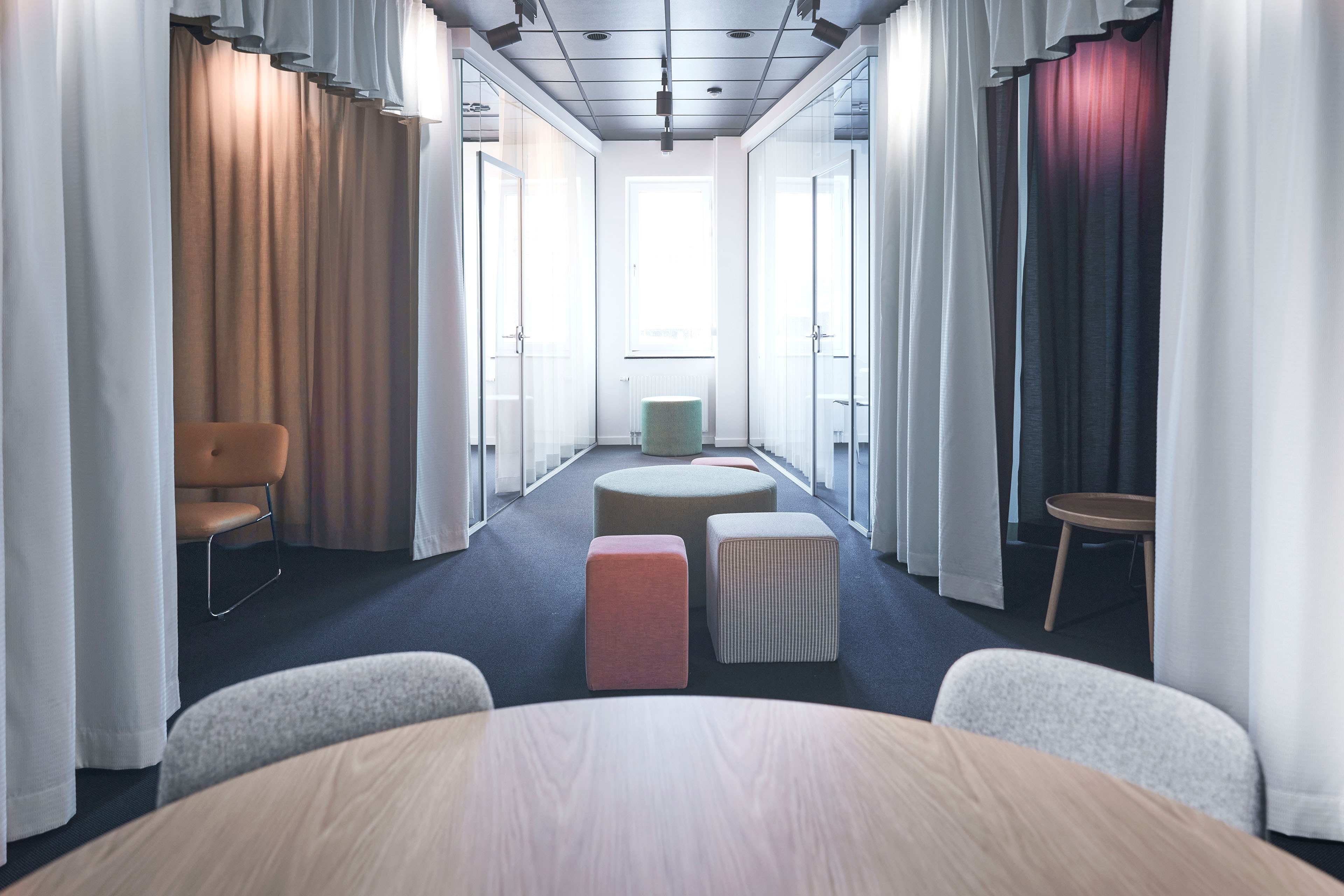
26 Sept 2025 | Designing sounds
Test the function room
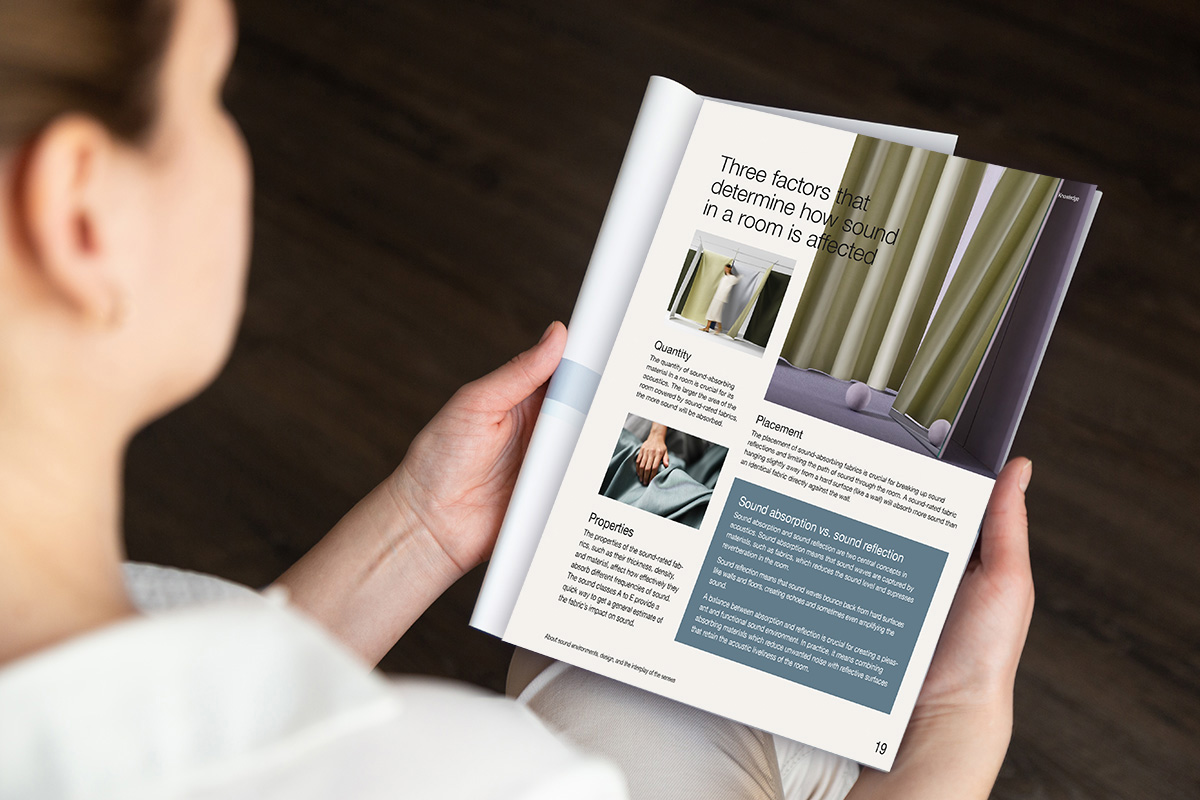
If you want to truly experience the qualities of the textiles, you are warmly welcome to our function room.
06 Aug 2025 | Designing sounds
Read our guide
The interaction between sound and visual design is becoming increasingly important for our experience of public environments. With Designing sounds, we explore this dynamic to find inspiration for a more holistic design philosophy.

06 Aug 2025 | Designing sounds
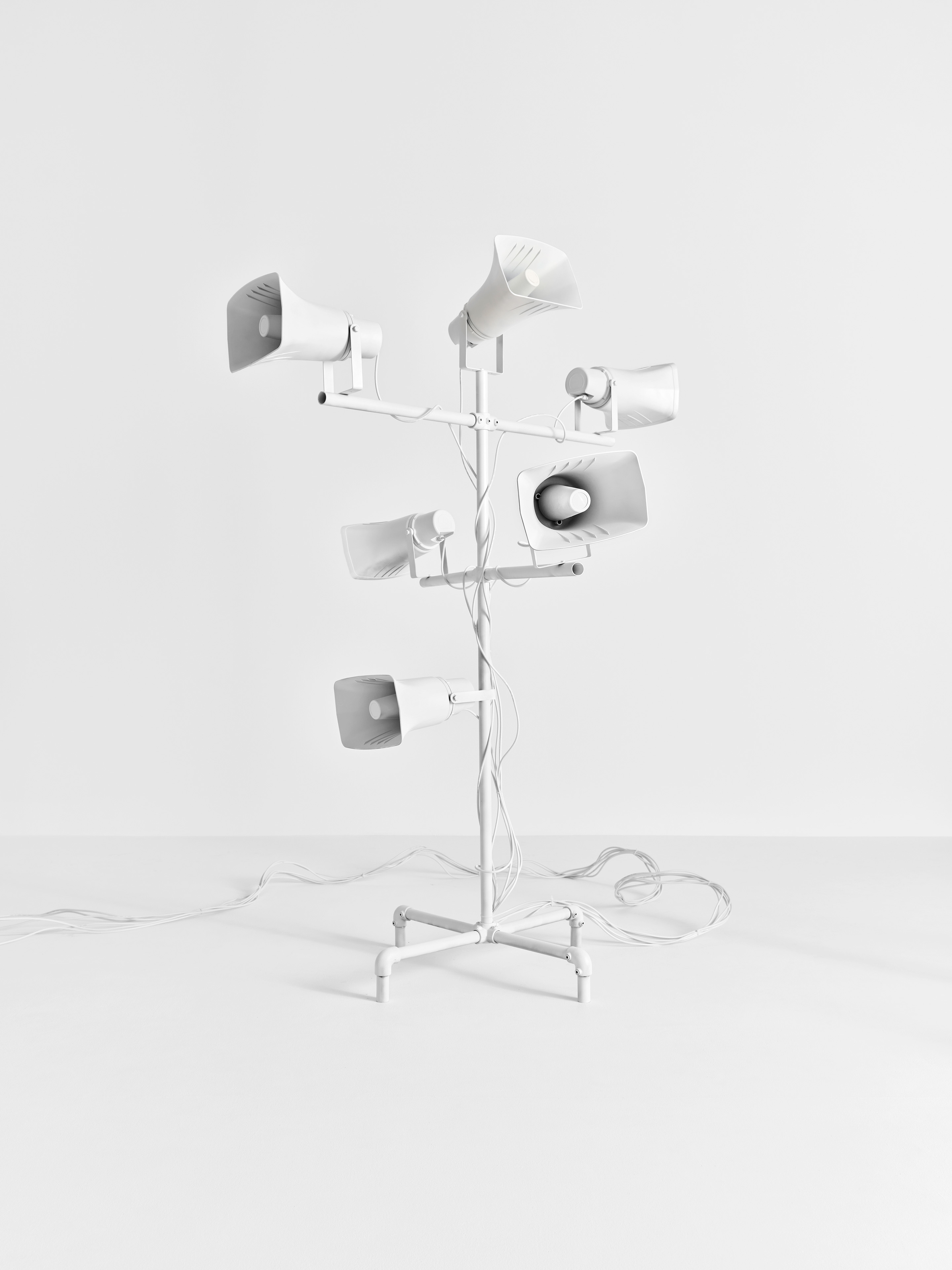
Create an inclusive and supportive learning environment
In a time when our senses are constantly overwhelmed by information, it becomes increasingly important to understand how different sensory impressions, such as sound and visual design, can work together to create a balanced and healthy environment. Textiles offer unique opportunities to enhance the sound environment, regulate light impressions, and create flexible spaces that contribute to increased well-being and focus for students and school staff.
20 Jun 2025 | Designing sounds
Construction and testing
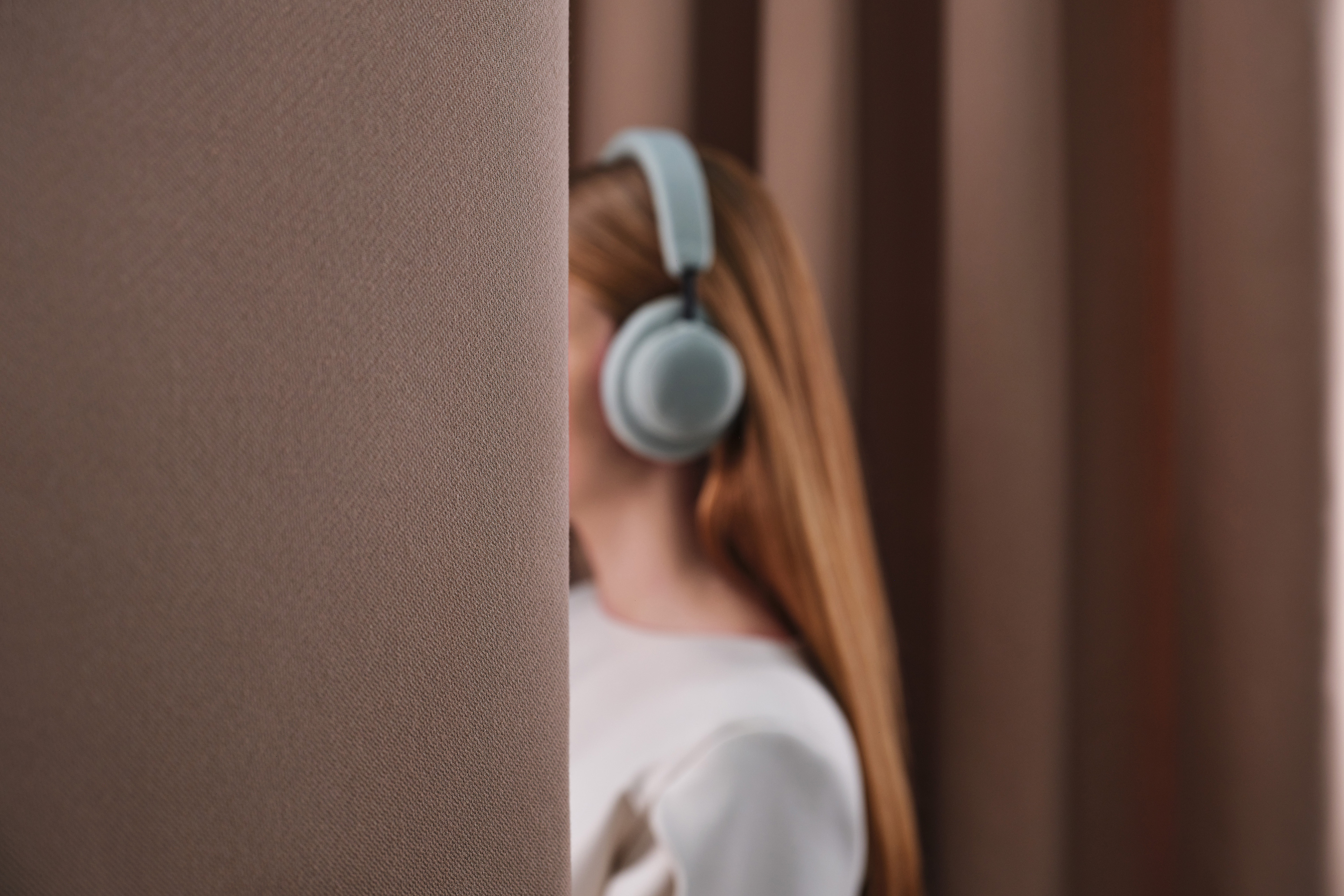
In the same way that a sunshade transmits, reflects, and absorbs different proportions of light, a curtain does the same with sound.
16 Jun 2025 | Designing sounds
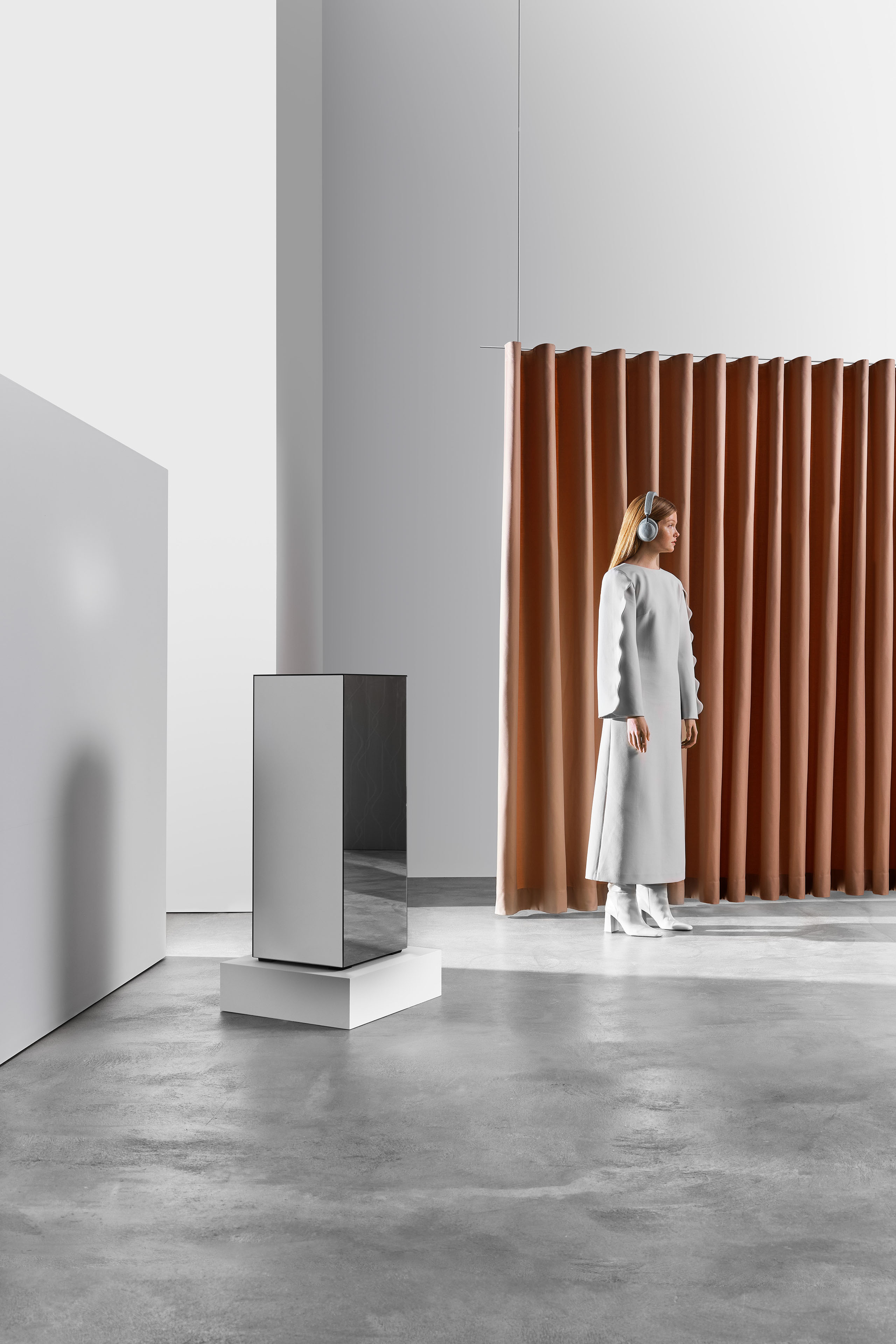
Predict the acoustics with Svensson's tool
By predicting the acoustics at an early stage of your project, you can ensure that the technical solutions are seamlessly integrated into your vision.
13 May 2025 | Designing sounds
How sound-rated textiles work
Textile is a perfect material to complement other acoustic solutions with. Especially curtains that are developed to absorb sound.
21 Apr 2025 | Designing sounds
Classification
A product's ability to absorb sound determines its sound absorption coefficient. It can range from 0.0, which means no absorption, to 1.0, which is total absorption.