


 Cut measure



Designing sounds
Everything you need to know about sound-rated textiles
What are the benefits, how are the textiles constructed, and how do we test to ensure they really work?

Hanger
Cut sample
Sample card
Cut measure
Total
No products in cart
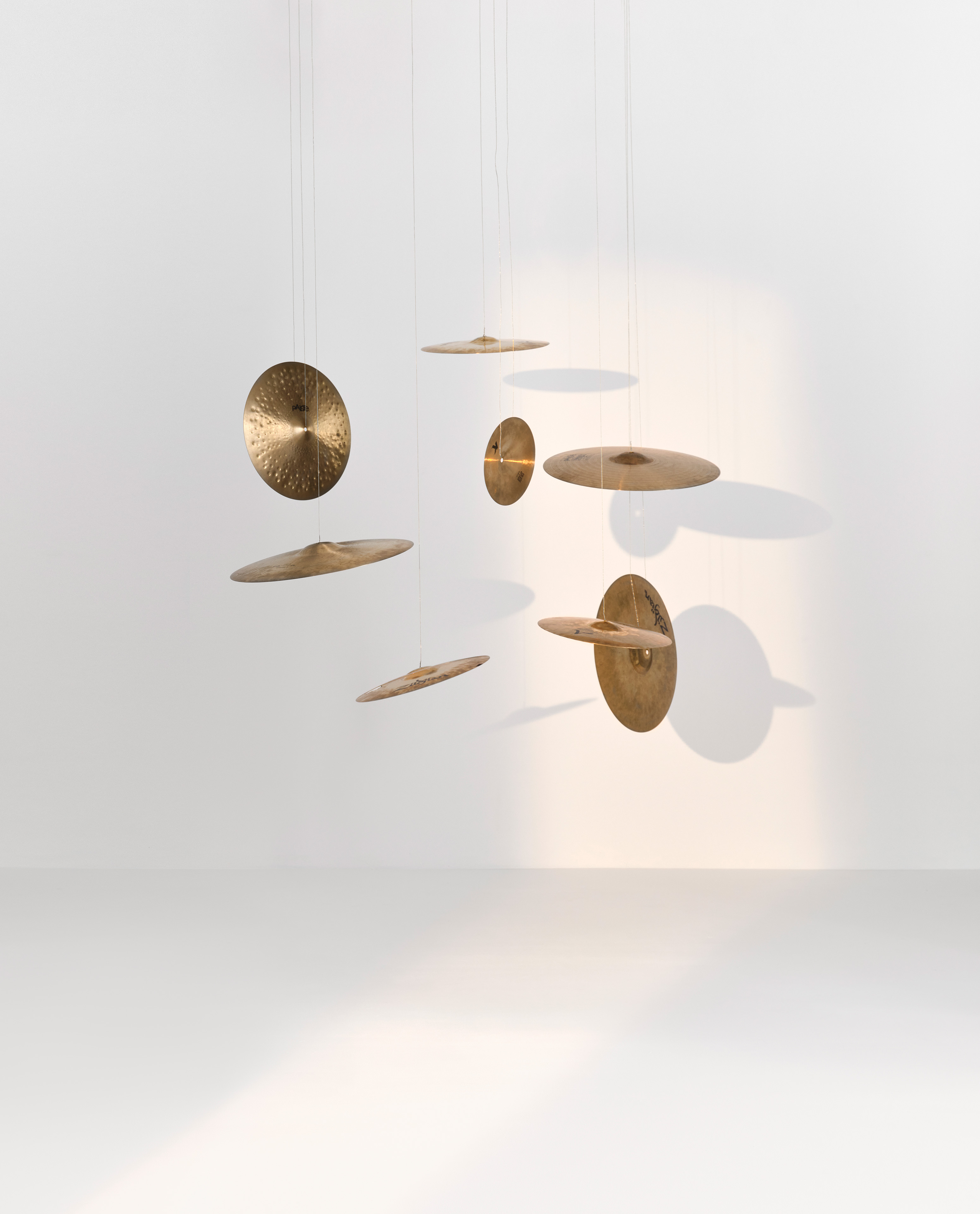
Means "the study of sound" but the word is most often used to describe the sound conditions in a room.
Term for the sound absorption coefficient that describes how much sound a material or product absorbs. Ranges from 0.0 to 1.0 and is abbreviated as "a", "aw" or "ap".
Describes the pitch which corresponds to the volume or strength of a sound wave.
Person who is particular about things sounding good.
Rumbling or muffled sound with low frequency, approximately 20–200 Hz.
A relatively constant form of noise.
All unwanted sound is considered noise. In other words, it's a matter of interpretation where most people agree. And a common misconception is that noise must be loud.
Unit that describes how loud we perceive sound.
High-pitched or sharp sound with a high frequency, approximately 2,000–20,000 Hz.
Dense sound reflections lingering in a room.
Measure that describes how long it takes for sound to decrease by 60 dB from when the sound source has become silent.
Reflected sound that, due to a slight delay, is perceived as a separate sound.
The number of oscillations per second of a sound wave. Describes the tone (character) of the sound.
The unit for measuring frequency. 1 Hertz (Hz) means one cycle per second.
Abbreviation of “High Fidelity” which means “high fidelity”. The term is synonymous with high quality when talking about sound systems.
What creates sound. Can be anything from a speaker or a vocal cord to heels on a floor.
Value that describes how much sound a material or product absorbs. 0 is no absorption while 1 is complete absorption. The value can be translated into a percentage, which means that 0.9 corresponds to 90%.
Measurements describing the speed of sound in a specific environment. In air that is 15°C, it means 340 m/s or 1,224 km/h. Mach 1 is the speed of sound, and Mach 2 is twice as fast.
The frequency range between bass and treble, approximately 200–2,000 Hz. This is where normal speech usually resides and also where our ears are best at perceiving nuances.
The English term for efterklang.
The character of sound, which is another way to describe frequency. Bright tones have high frequencies and dark tones have low frequencies.
The height of a sound wave that determines the volume of the sound.
High-frequency sounds over 20,000 Hz. Cannot be perceived by the human ear.
In sound contexts, volume means the same thing as sound strength or sound level. The word is a measure that describes how strong, loud, or much it sounds.
Designing sounds
What are the benefits, how are the textiles constructed, and how do we test to ensure they really work?

Designing sounds
An important factor for well-being is a pleasant sound environment. Here we share our collective knowledge and experience together with experts from different industries and fields.
Designing sounds
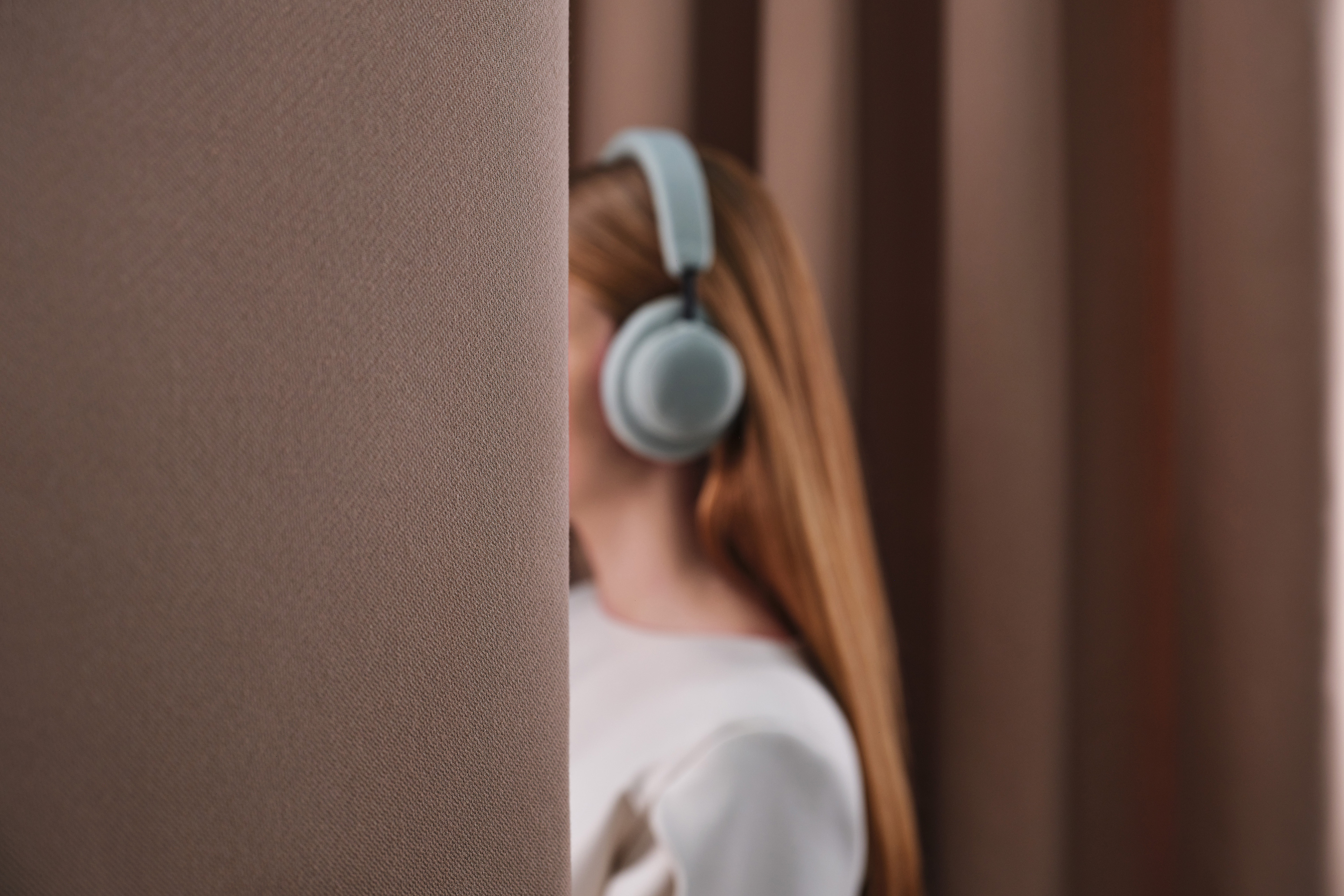
Sound-classified textiles from Svensson are available in absorption classes A-C. With the right textile in the right place, you can create a pleasant sound environment.
