



 Cut measure


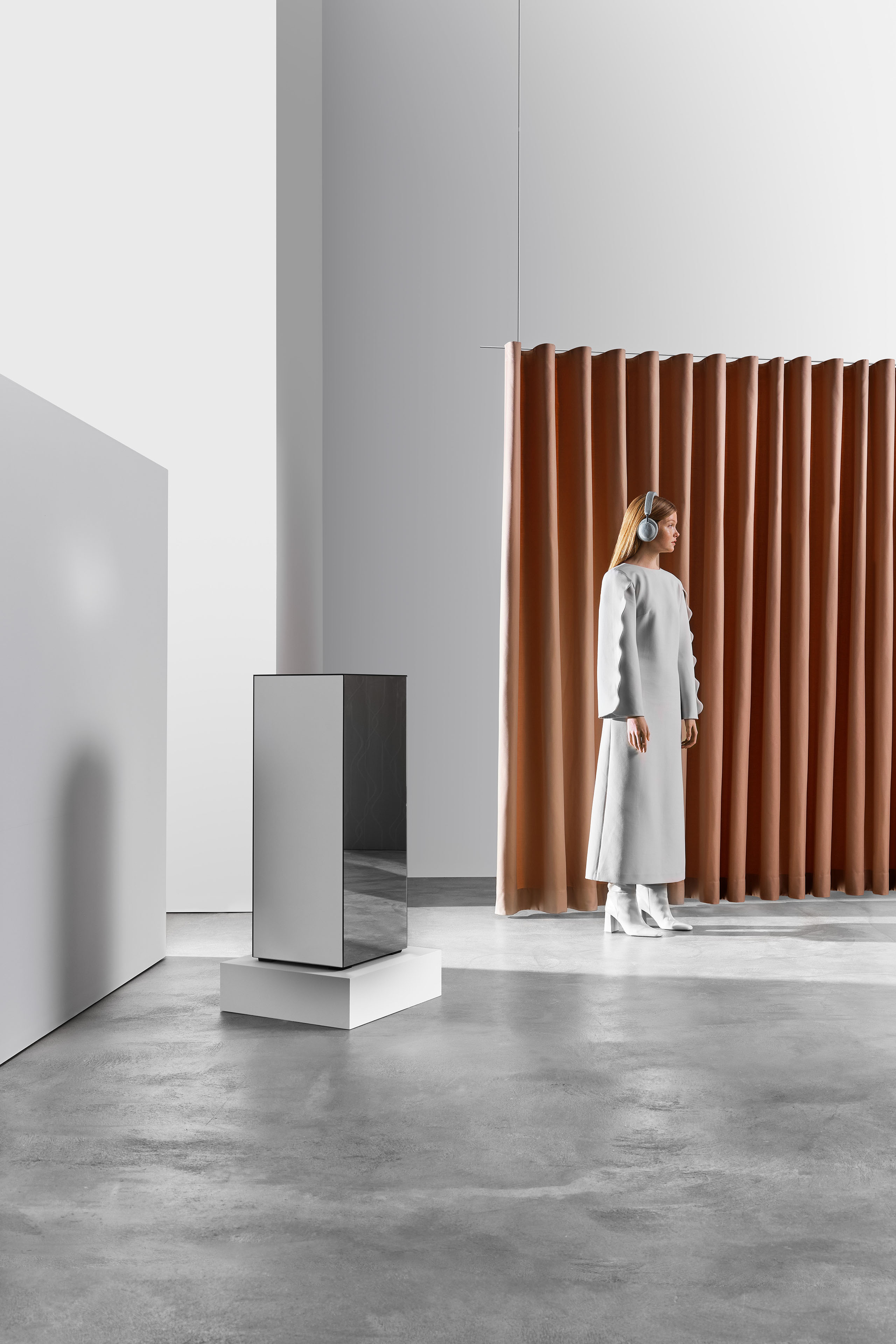
What determines whether a sound is perceived as noise or something pleasant is often how much control you have over the experience. Compare it to music that you can play, turn up, turn down, and turn off yourself, and music that someone you don't know is playing right next to you.
Cart
-
HangerCut sampleSample card
Cut measure
Total
- Shipping
- VAT
- Total (excl vat)
No products in cart
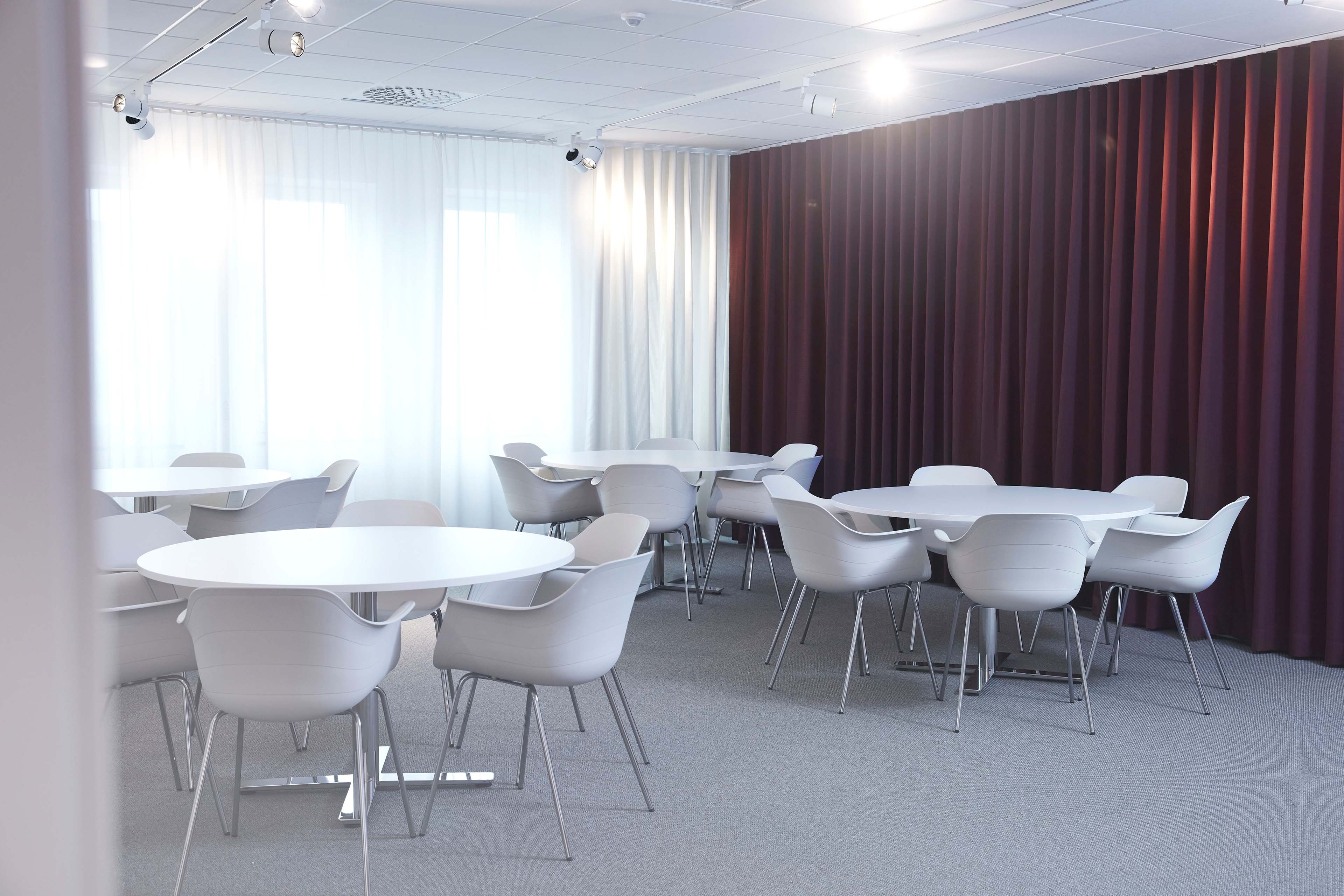
Designing sounds
How the sound environment affects our experience
How we experience a sound environment is strongly linked to our well-being. But since the actual experience is individual, it is important to understand the factors that can influence different people's impressions of the whole.
The sound environment around us is neither constant nor something that can be isolated. Instead, it is created in interaction with both the room and other people, where those experiencing the sound environment also contribute to shaping the experience. Yes, as you can see, it quickly becomes quite abstract. Therefore, let us now take a look at some of the details regarding the sound environment and experience.
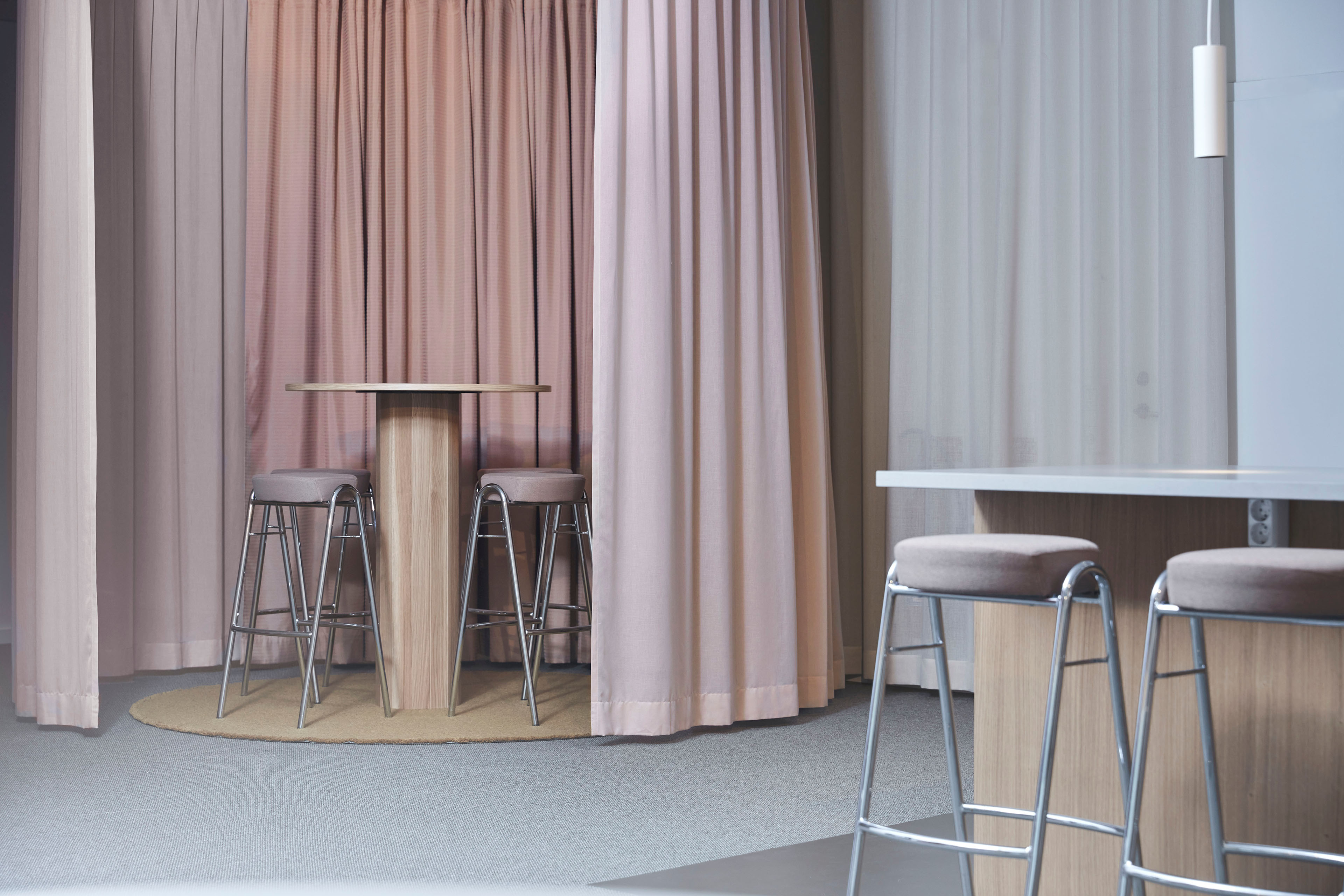
How we understand and interpret the world
Our understanding of a sound environment is also based on our previous experiences. We use that knowledge to predict which sounds are likely to appear in a particular context, but also to filter out interpretations that do not match the place we are in.
However, when what we see and hear do not align, it becomes more difficult to interpret a situation, which means that our energy and attention are spent trying to identify what is not right.
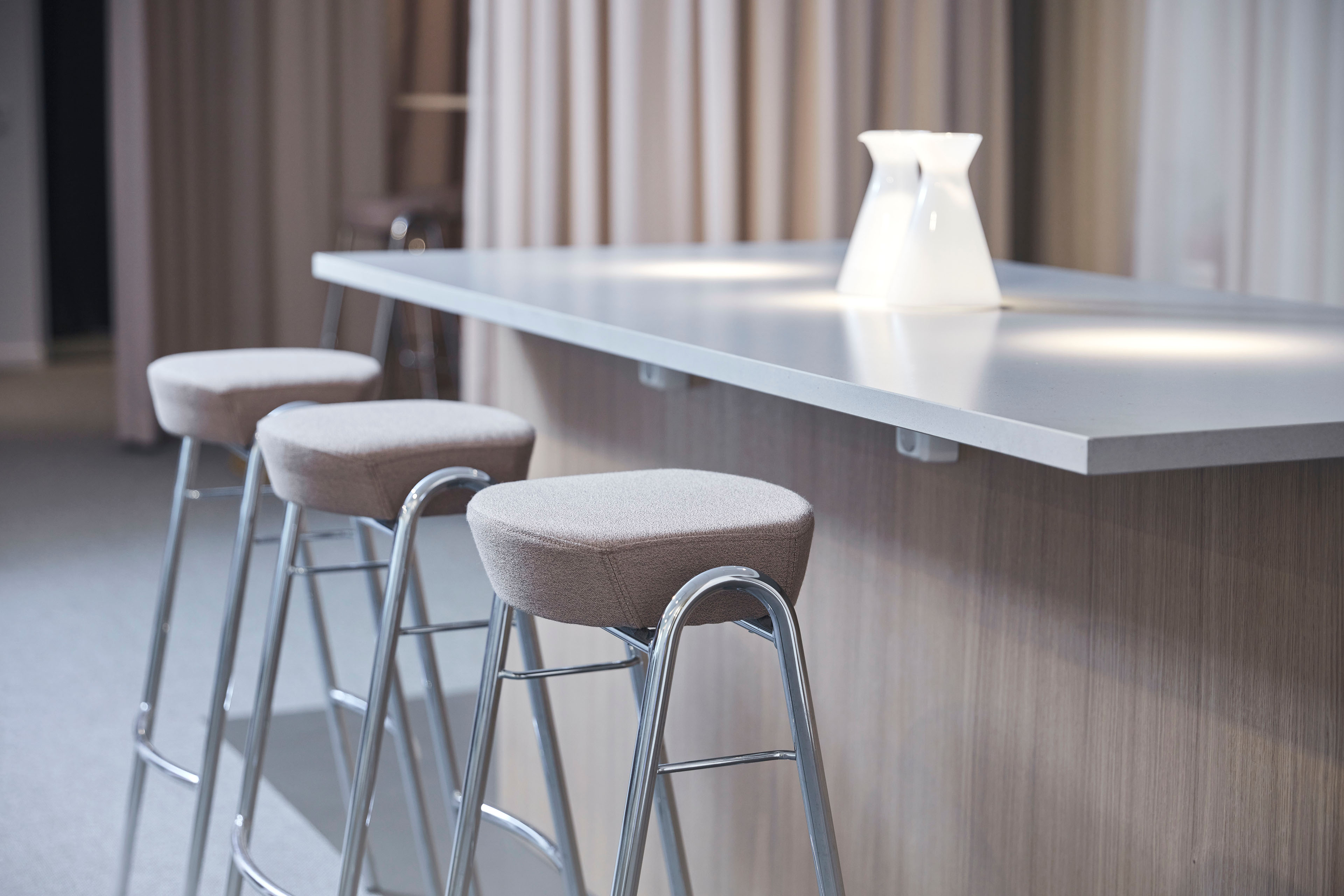
The impact we carry with us
The things we have mentioned so far mean that two people can be in the same sound environment but not hear or interpret it in the same way at all. Perhaps they focus on different sound sources, perhaps they have different pre-understandings and prior experiences of the sounds in the sound environment. And perhaps they are engaged in completely different activities that affect their experience.
At the same time, there's a sort of feedback loop where we are not only influenced by the sound environment but also make our own impact on it through our actions.
We've probably all been annoyed by people who we feel take up too much space in our shared sound space. An interesting experiment is to think about how much sound we ourselves make in different contexts, such as when talking on the phone at work, walking around, or opening and closing doors. It can be quite surprising to discover how much noise we contribute without being aware of it.
And the behaviour of ourselves and our colleagues is, in turn, influenced by both individual personality traits and the workplace culture we are in.
We must not forget how much influence our emotions have on the experience. If we have a positive attitude towards a place and its context, we are more likely to have a positive attitude towards the sound environment of the place and its context as a whole.

Emotions and characteristics
If we understand the meaning of a sound and also consider the source of the sound to be useful or meaningful, we tend to like that sound better. Simply put: sounds that originate from things we like are perceived as more positive.
Of course, the characteristics of the sound also play a role. Sudden and occasional sounds create an immediate reaction in us, compared to constant and slow sounds. And a reaction means a distraction.
Considerations
To summarise, the experience of a sound environment depends on a variety of factors, not least that it is individual what can be considered a good sound environment. Therefore, it is not enough to just rely on building requirements and sound classifications when creating the foundation for a sound environment.
What we want to convey with this article is: Think instead about what will affect how the business is conducted in the premises. What will influence the social environment created there? How can the sound environment be adapted to the employees' activities and individual needs?
And how can the interior design and the visual design of the premises enhance the connection between the activities, the needs, and the sound environment?

The article is written by Martin Ljungdahl Eriksson, PhD in informatics with a focus on work-integrated learning, who researches the use of sound as a design element to influence experiences and behaviours.
Designing sounds
More articles

10 Dec 2025 | Designing sounds
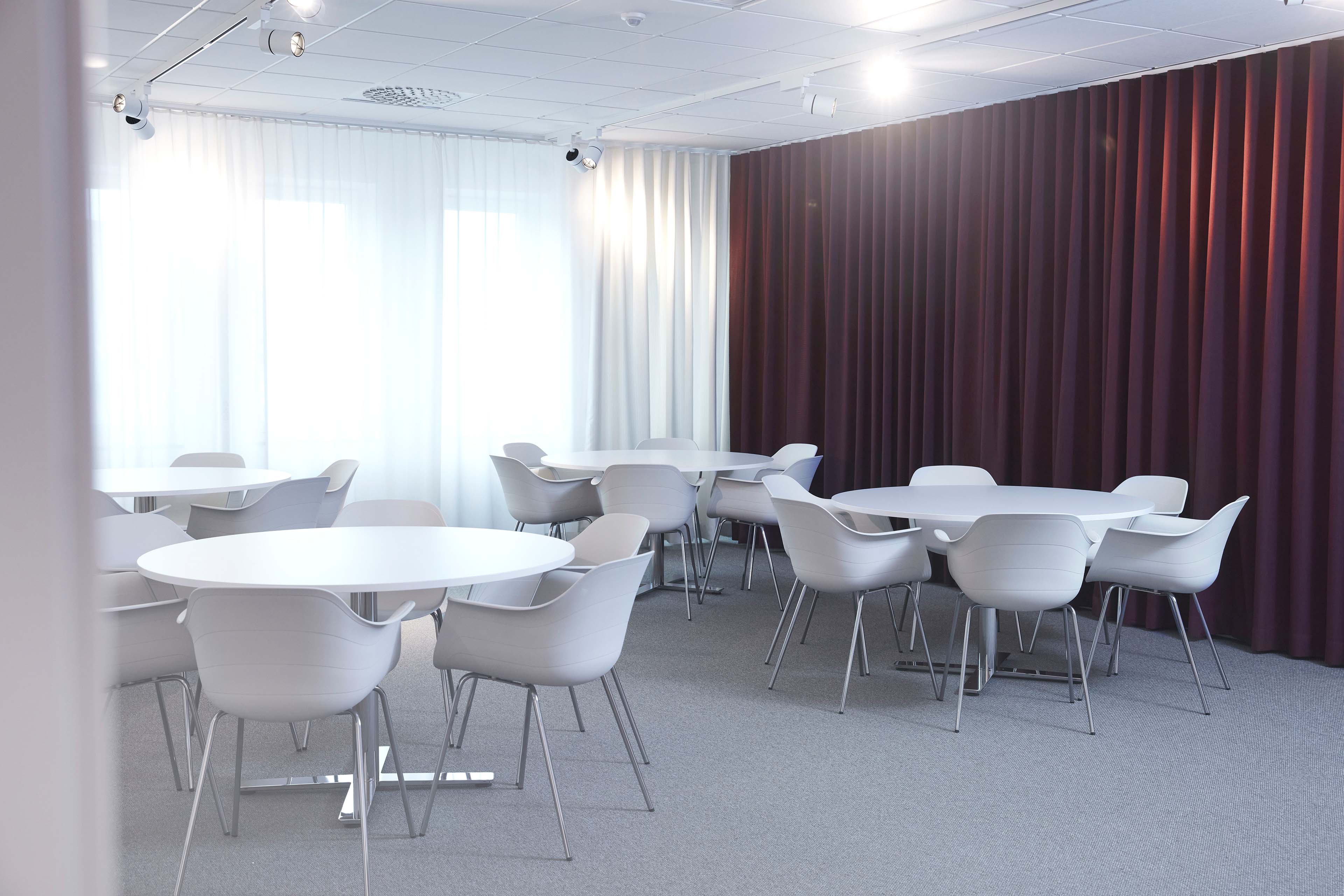
More than just silence
The sound environment affects us more than we think – and for many, it is introduced too late in room design. Here we highlight how sound, form, and humans interact, and why a broader perspective is necessary for sustainable and functional environments.

10 Nov 2025 | Designing sounds
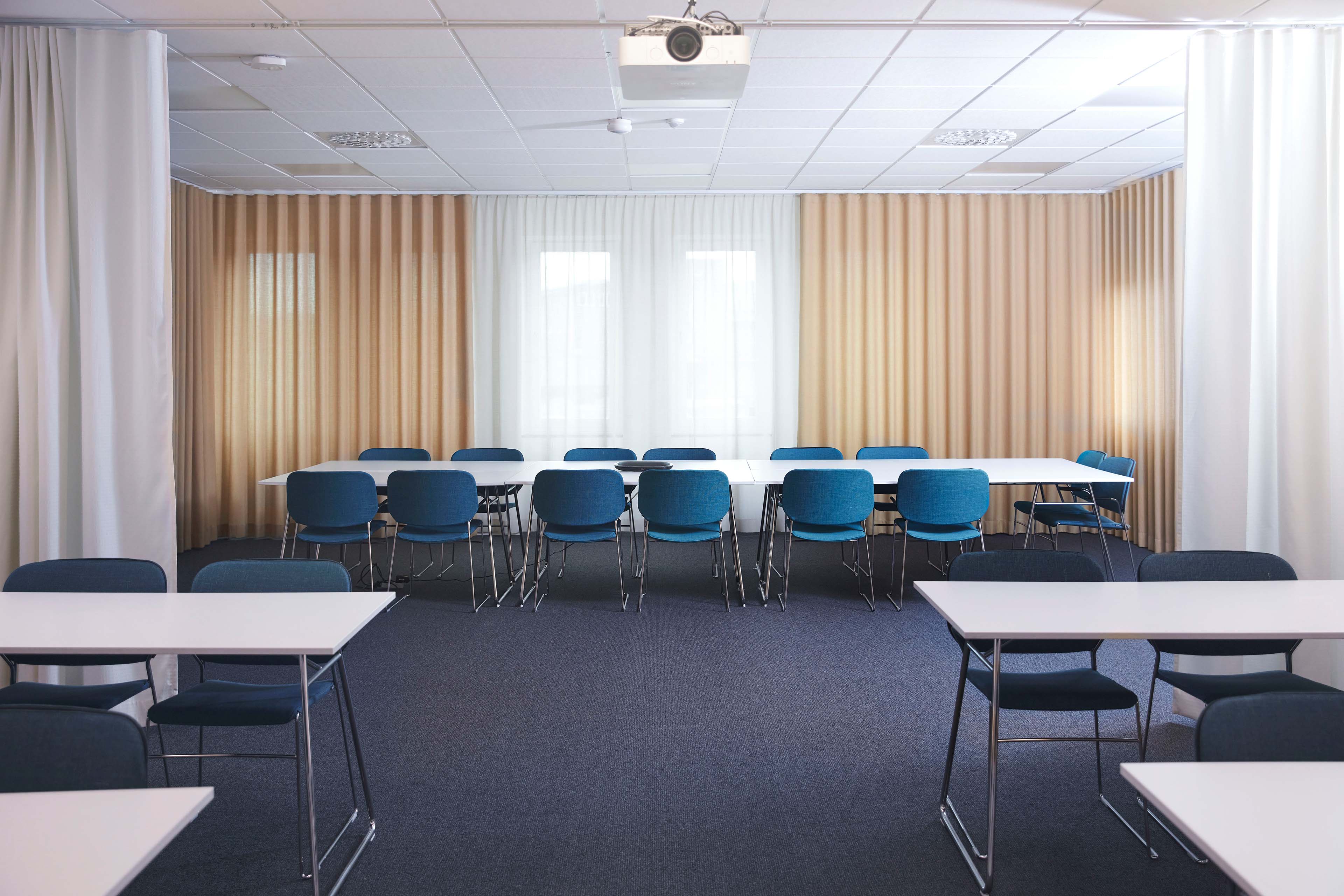
How the sound environment affects our experience
The sound environment is never just background noise – it is shaped by the room, the activity, and the people there. Here we explore how different factors affect our experience and what you, as a designer or responsible person, can do to create a sound environment that both feels and functions well.
04 Nov 2025 | Designing sounds
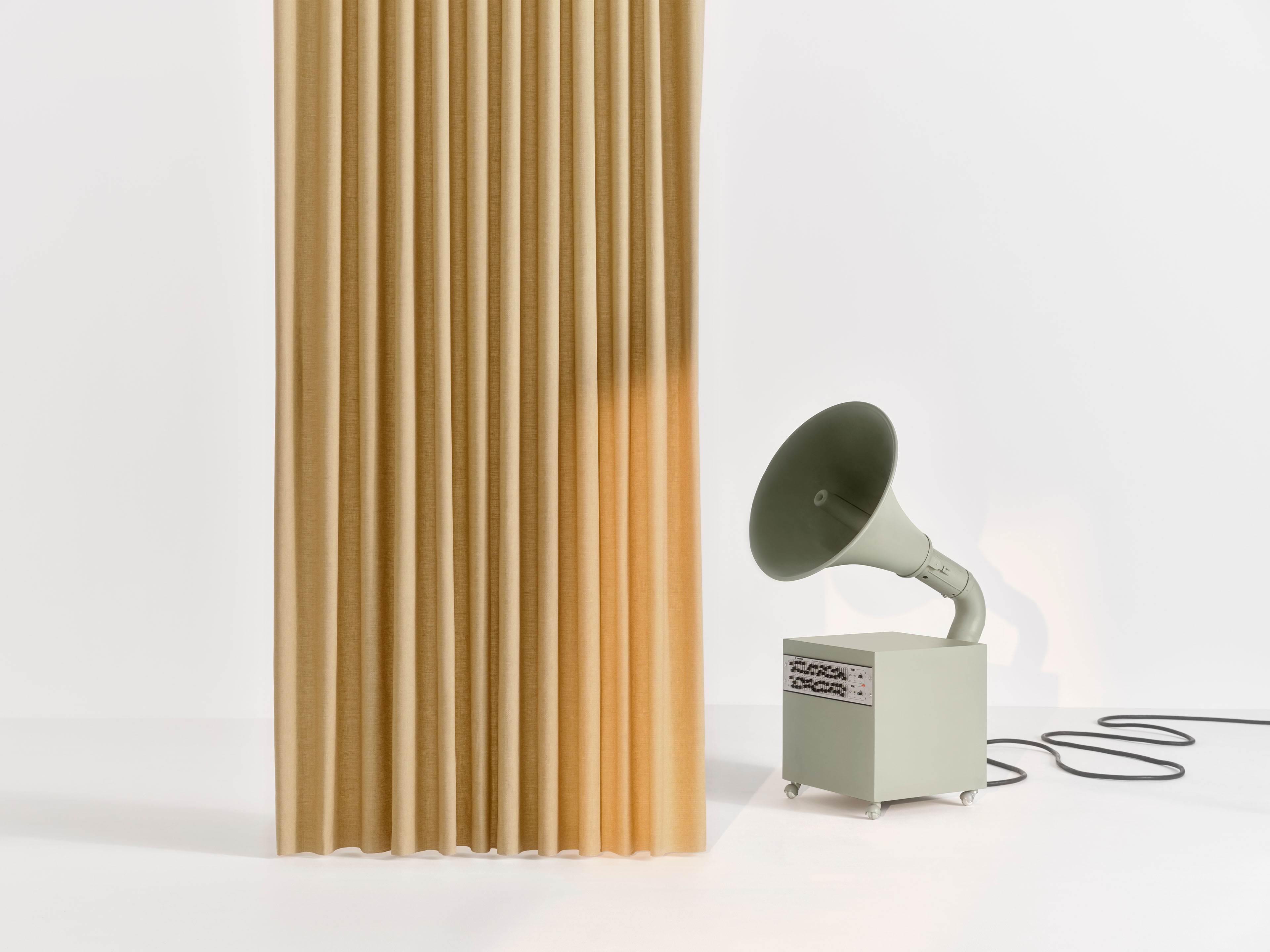
What research can teach us about the sound environment
Research shows that the sound environment affects both our well-being and performance. Here we summarise what the studies say – and how textiles and design can contribute to more balanced and pleasant rooms.
14 Oct 2025 | Designing sounds
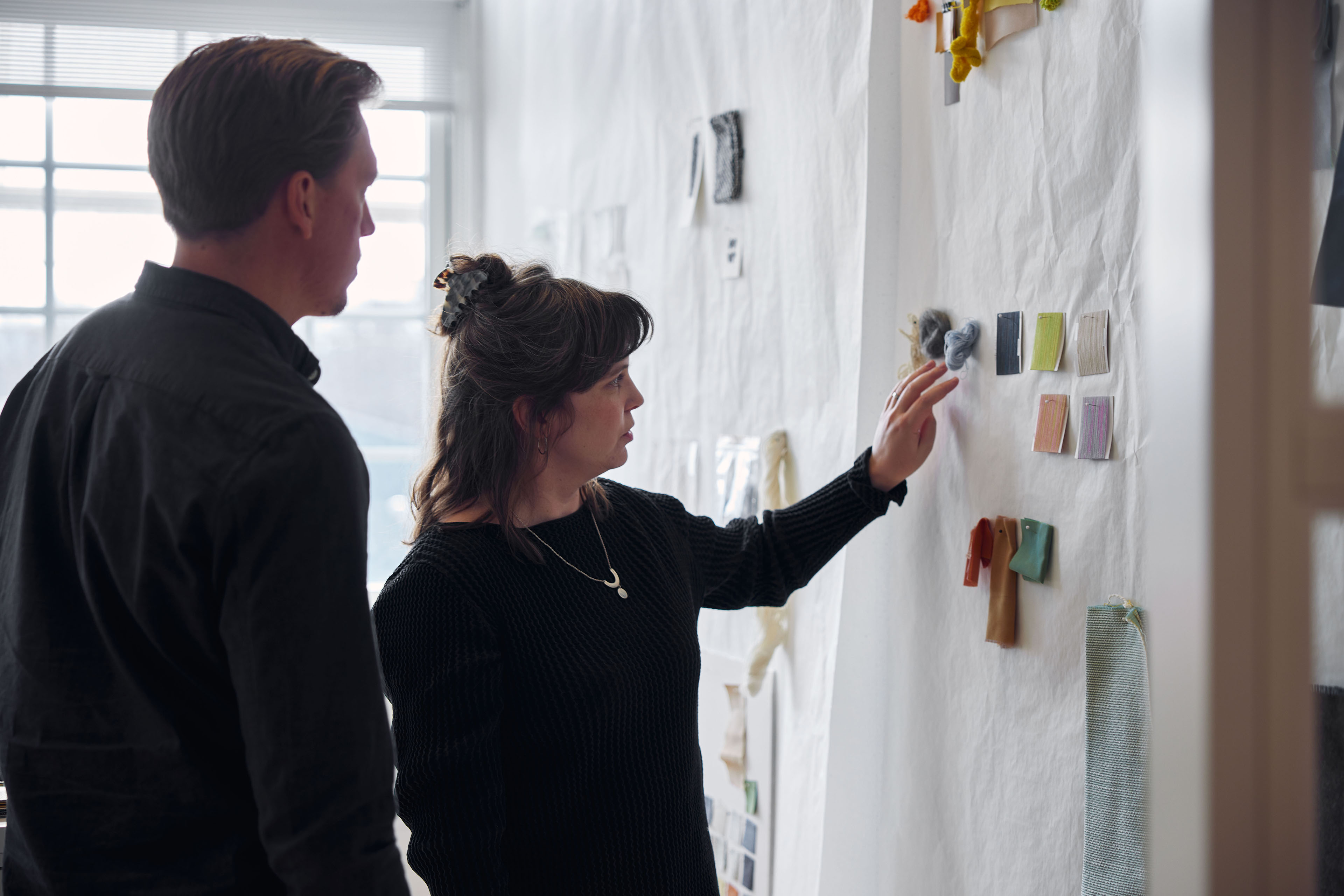
Experiences in the sound environment
The sound environment affects how we feel, think, and work. At the same time, the visual framework and the context itself will in turn affect how we perceive the sound environment. It is therefore a complex interplay between the senses, and precisely what Designing sounds is all about.
07 Oct 2025 | Designing sounds
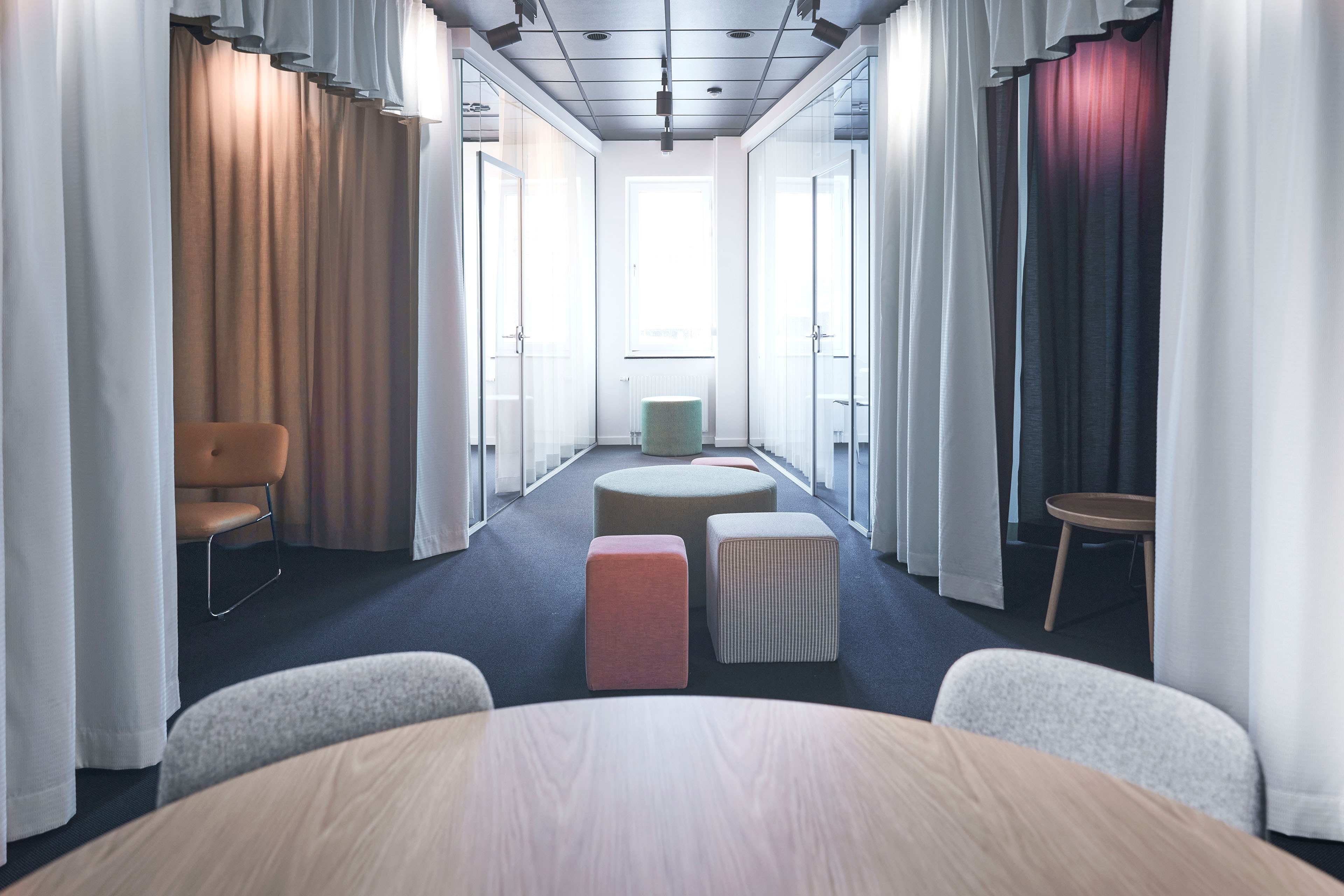
A clear idea of the environment one wants to create
What shapes a sound environment, and what significance do the visual elements have? To gain a design perspective on the question, we had a conversation with the design department at Svensson.
26 Sept 2025 | Designing sounds
Test the function room
If you want to truly experience the qualities of the textiles, you are warmly welcome to our function room.
06 Aug 2025 | Designing sounds
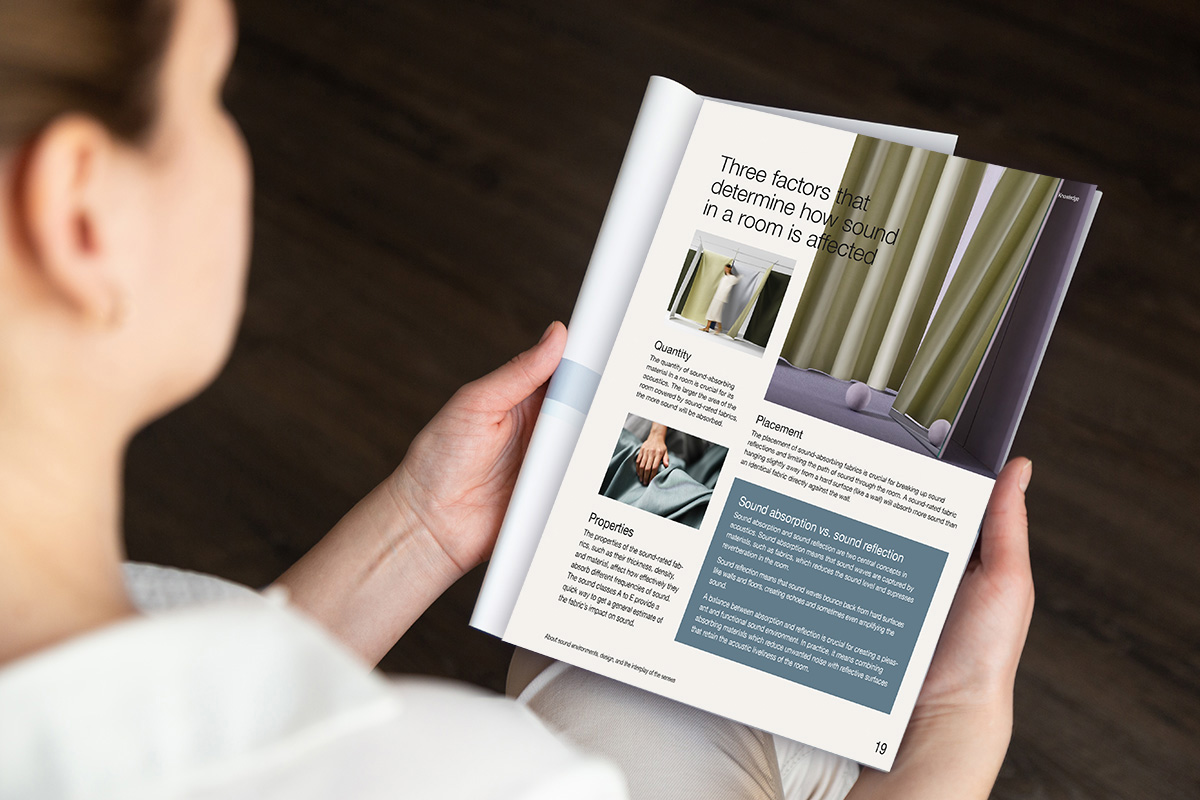
Read our guide
The interaction between sound and visual design is becoming increasingly important for our experience of public environments. With Designing sounds, we explore this dynamic to find inspiration for a more holistic design philosophy.

06 Aug 2025 | Designing sounds
Create an inclusive and supportive learning environment
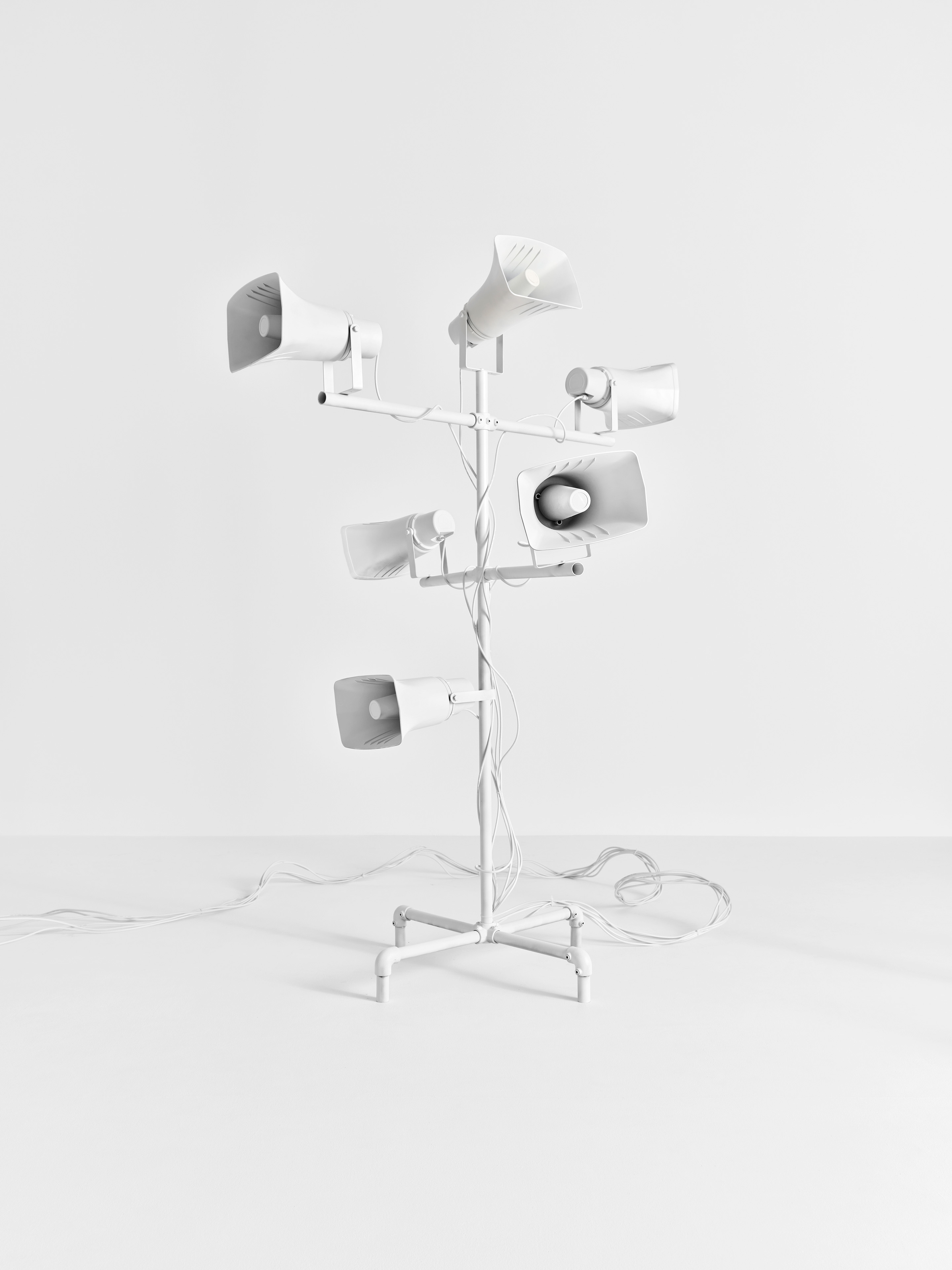
In a time when our senses are constantly overwhelmed by information, it becomes increasingly important to understand how different sensory impressions, such as sound and visual design, can work together to create a balanced and healthy environment. Textiles offer unique opportunities to enhance the sound environment, regulate light impressions, and create flexible spaces that contribute to increased well-being and focus for students and school staff.
20 Jun 2025 | Designing sounds
Construction and testing
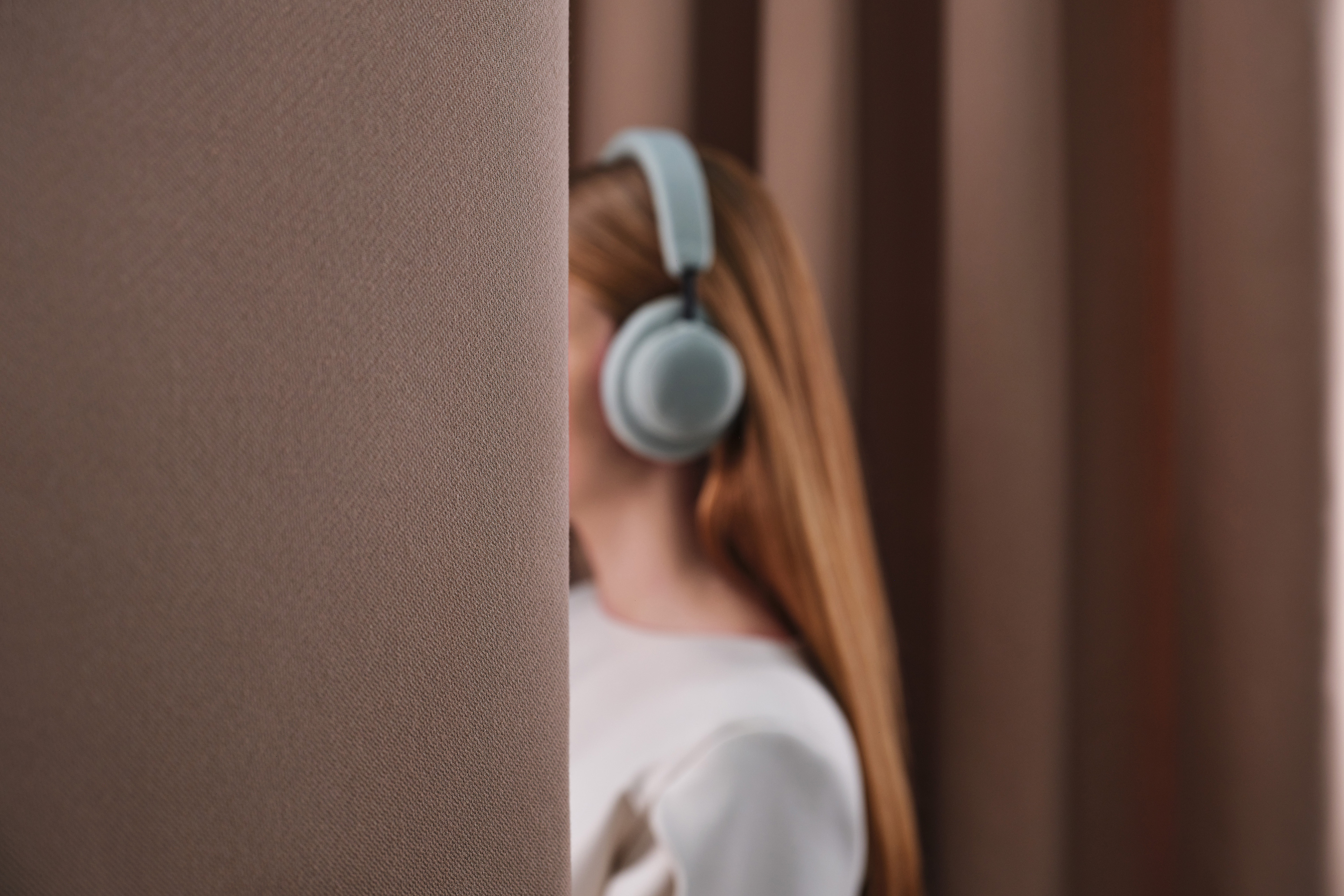
In the same way that a sunshade transmits, reflects, and absorbs different proportions of light, a curtain does the same with sound.
16 Jun 2025 | Designing sounds
Predict the acoustics with Svensson's tool
By predicting the acoustics at an early stage of your project, you can ensure that the technical solutions are seamlessly integrated into your vision.
13 May 2025 | Designing sounds
How sound-rated textiles work
Textile is a perfect material to complement other acoustic solutions with. Especially curtains that are developed to absorb sound.
21 Apr 2025 | Designing sounds
Classification
A product's ability to absorb sound determines its sound absorption coefficient. It can range from 0.0, which means no absorption, to 1.0, which is total absorption.