Go to main content
IT_Basal_3872_1.jpg

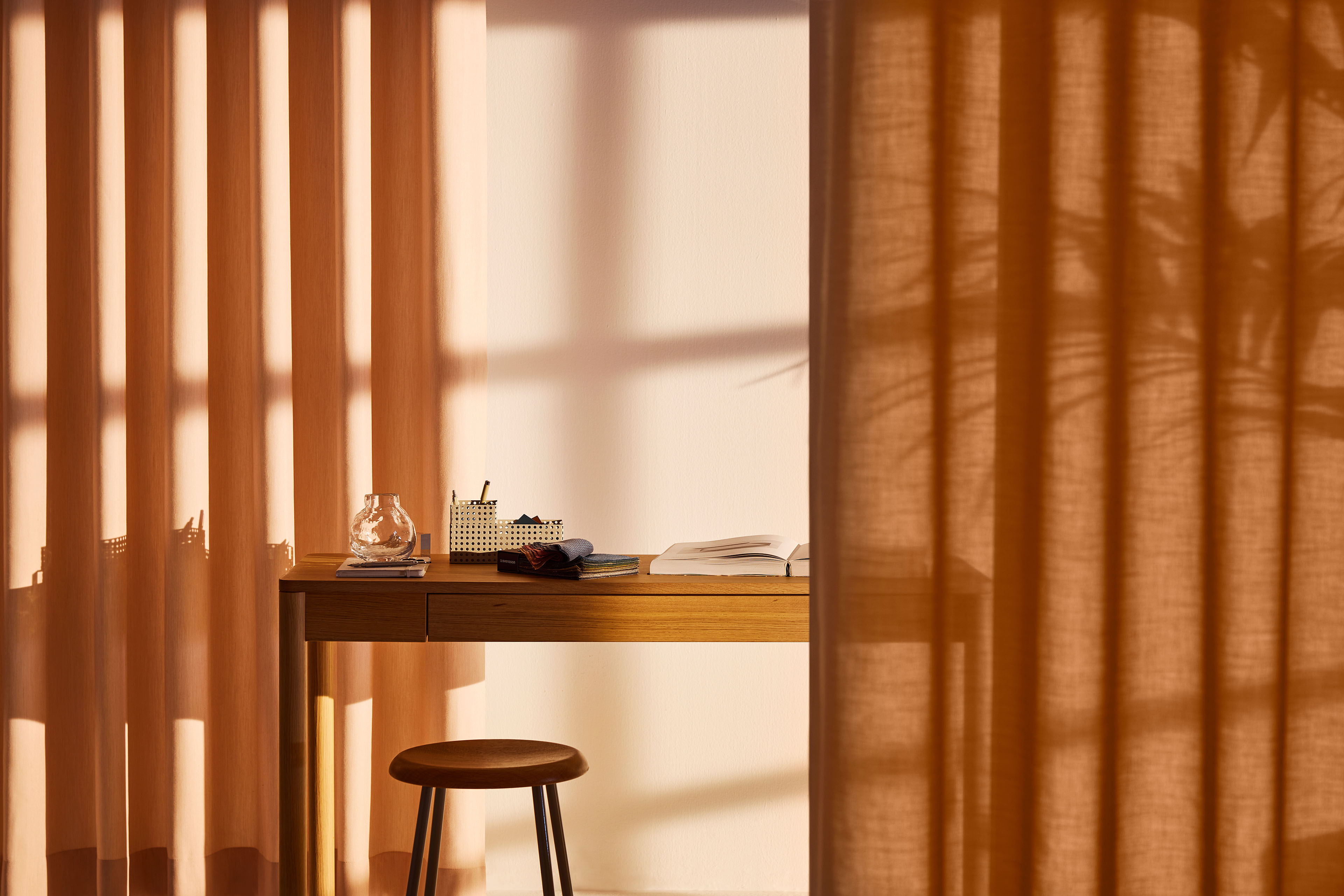
Light that makes us feel good

Daylight affects both how we perceive a room and how we feel in it. A good balance between light, visibility, and protection makes the environment more pleasant, more functional, and more sustainable over time. By understanding and mastering natural light, we can make it a design tool. A simple guide can be found in the concept of visual comfort.

What is visual comfort – and why is it important?

Visual comfort is about creating balance in the room. It is when the light is pleasant for the eyes, while we can see outside without glare, misplaced reflections, or overly sharp contrasts.

Since up to 80% of our sensory impressions come through sight, a carefully considered light balance is crucial for how we feel in the room.

Three useful factors for visual comfort are glare control, visual contact with the outside, and daylight utilisation:

IT_Airy_4422_6.jpg

Glare control

Glare control is about reducing the risk of being dazzled by direct sunlight or having the room characterised by sharp light contrasts.

The eye is very adaptable and generally handles high brightness well – like when we step out into the summer sun. But large contrast differences are quickly perceived as disturbing, for example when the light from a window becomes significantly stronger than the light at the desk.

To reduce the brightness from the window, a fabric that reduces light intake is needed. Generally, a dark fabric works better than a light one, even if the construction is the same, because dark colours absorb more light while light ones reflect and transmit light to a greater extent.

With the right fabric in the right place, it is possible to control light intake – without having to block it out completely.

Visual contact with the outside world

The concept of visual contact with the outside is about being able to see out without feeling observed. Since visual contact with the outside world helps us to orient ourselves, understand the passage of time, and feel connected to what is happening outside the room, this contributes to a healthy and beneficial sense of control.


Did you know:
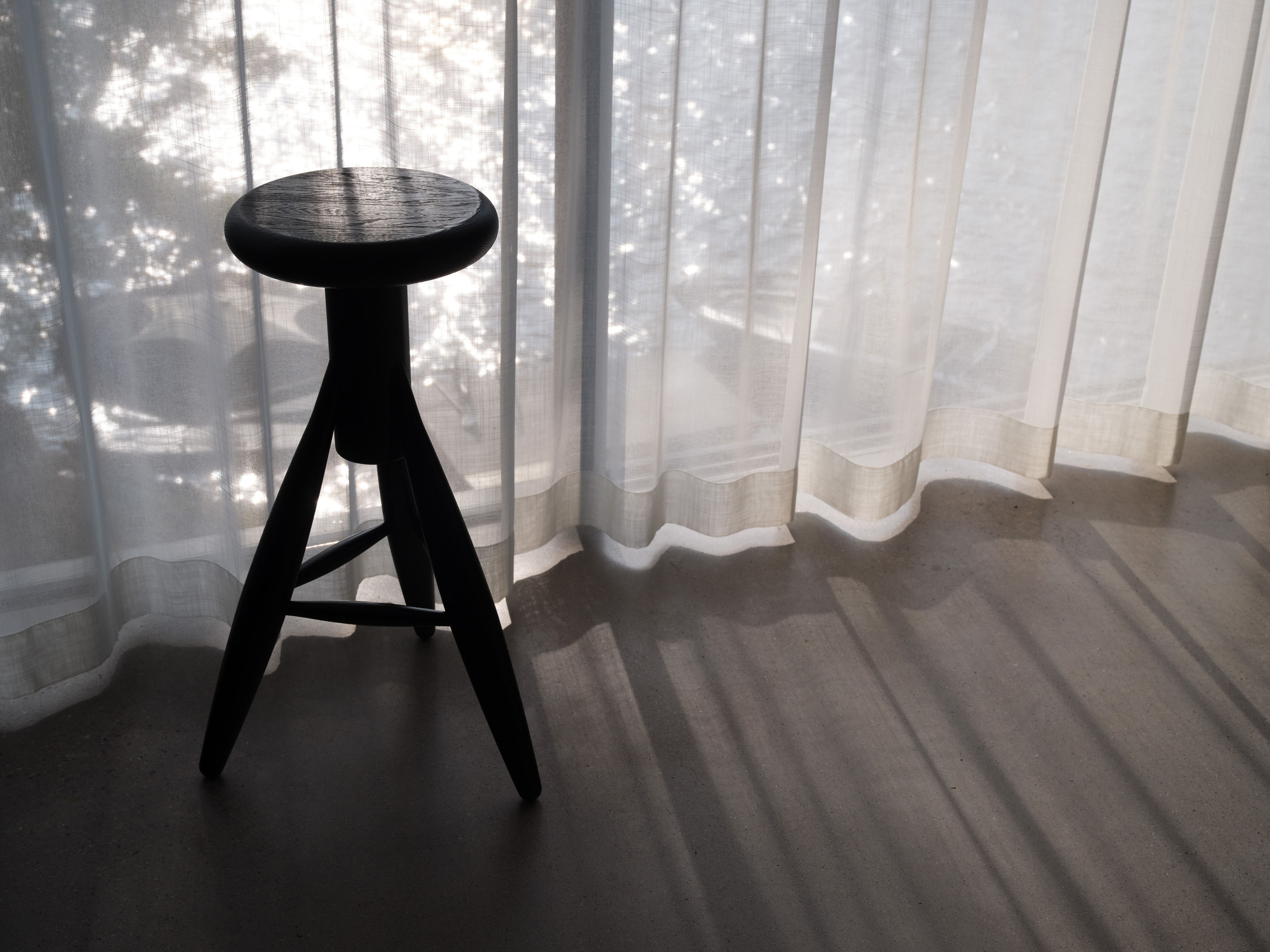
A dark, thin fabric often provides better visibility outwards than a light one. This is because light fabrics reflect light back to the eye more easily, creating a veil that hinders the view.

Daylight usage

Daylight utilisation is about maximising the use of natural light in a building. It is a central part of sustainable architecture, light design and to some extent also energy efficiency.

Not least, a conscious use of daylight can promote people's physical and mental well-being by creating bright, pleasant environments that support the circadian rhythm and reduce the need for artificial light.

Measurable comfort

To make it easy to find the right fabric for all different environments, all our hanging fabrics are classified according to glare control, visual contact with the outside and daylight utilisation. We have based this on a standard that measures visual comfort and the tests have been conducted in an external test lab.

Read more about the classification here
IT_Airy_4053_4333_1.jpg

Visual comfort in practice

Work in layers

Select materials according to your needs and feel free to combine multiple layers of fabrics – consider sheer curtains together with thicker, more light-dimming ones – to adjust the light intake according to your needs and the time of day.

Place strategically

Use the right product in the right place to optimise the light environment, and choose different solutions for different orientations. See our quick guide to daylight and orientation.

Control the light flow

With a well-considered placement of fabrics, at different heights and angles, you can work with the light and direct it where it is most useful or block it to avoid glare.


The role of daylight in our wellbeing


Daylight is a crucial part of the human living environment. It regulates our circadian rhythm, affects our mood and hormones, and has a direct connection to both mental and physical health.

Research shows that access to natural light during the day can improve concentration, reduce stress, and even improve sleep quality.

In Nordic climates, where the amount of daylight varies significantly throughout the year, it is particularly important to let in as much daylight as possible, without compromising comfort. It involves using the light and creating spaces where natural light flows in, distributed in a way that feels comfortable to the eyes.

With the right fabrics, it's possible to enhance the positive effect of daylight: to filter and soften the light, control its direction and adjust the amount according to the time of day and the room’s function.


Recovery and focus

Studies show that patients with access to daylight recover faster and need less pain relief. In offices, the right lighting environment can improve both productivity and job satisfaction. And in educational environments, the right light balance can improve learning and concentration.

Designing with daylight

Choosing fabric is not synonymous with shutting out the light, but rather shaping it. A dense, light-damping fabric can be used to give people the opportunity to draw the curtains when they would otherwise be dazzled by the sun, while sheer fabrics filter, shape, and frame the light in an environment.

Framing a room with the right hanging fabrics is designing the experience of the room, just like colour, material, and furniture do.

IT_Noun_5071_1.jpg
IT_Dual_Reflect_Cedar_RE_1.jpg

Designing daylight

How daylight works

Daylight changes throughout the day and year – in intensity, direction, and hue. Here we go through how natural light works and how it affects the room, so you can make better decisions about textiles, admission, and visual comfort.

IT_Basal_3872_1.jpg

Designing sounds

Benefits of textiles

What can you create with daylight? Here we show you how you can use daylight – not just block or let it through – to make light, visibility, and temperature your design tools.

IT_Day_BuildaGetaway_Superstudio_2.jpg

Designing sounds

Find the right textile for your project

All Svenssons' hanging fabrics are classified according to how they affect daylight and are designed for environments where both design and function are a must. Find the right fabric for your project.