

Cart
-
HangerCut sampleSample card
Cut measure
Total


 Cut measure
- Shipping
- VAT
- Total (excl vat)

No products in cart

Care instructions
Svensson interior textiles are designed and manufactured to maintain the highest quality – if you care for them properly, they will retain their function and appearance for a long time.
Care instructions for each fabric can be found in the product information for the item, and here we tell you about the general properties and requirements of different materials.

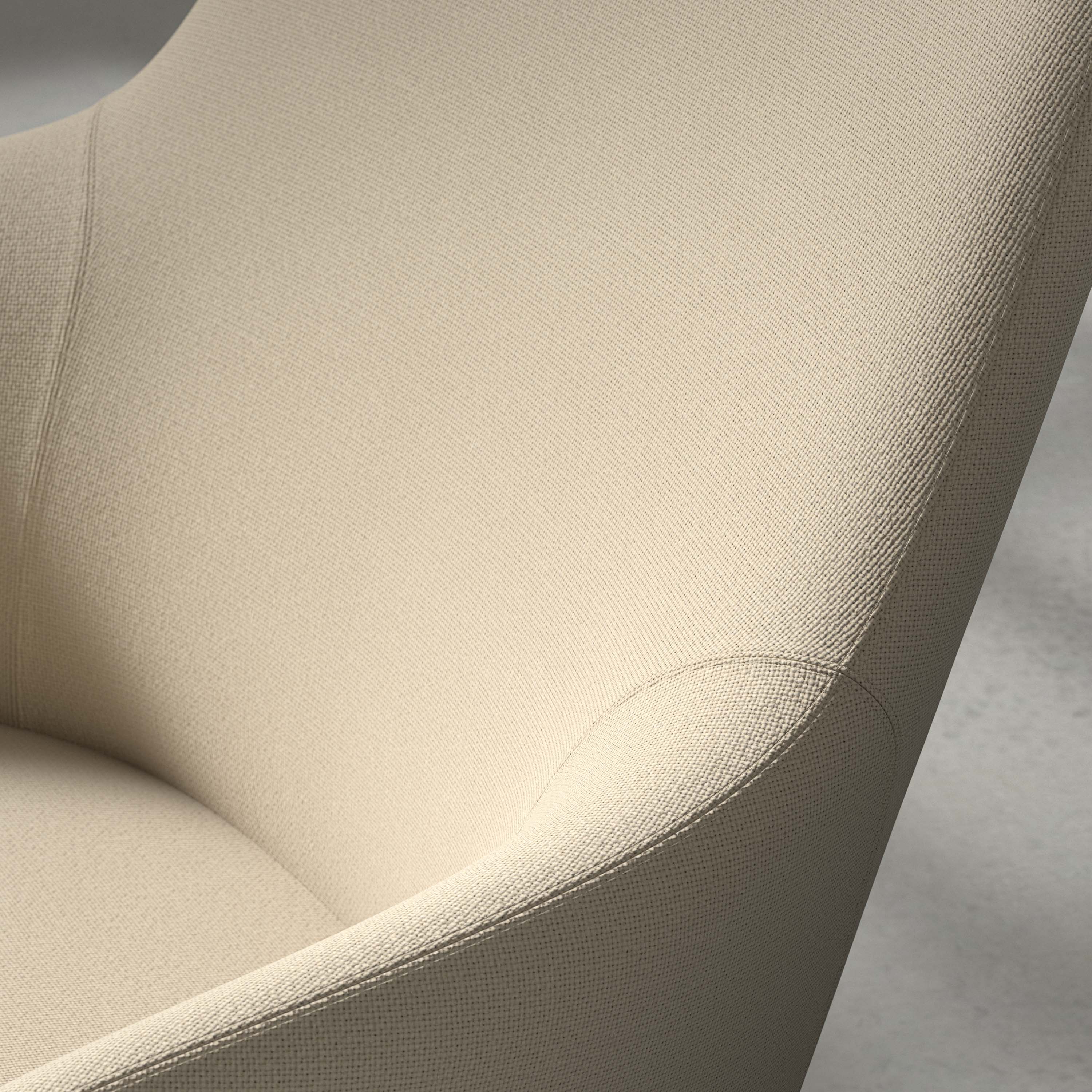

Trevira CS
(polyester)
Polyester is a synthetic fibre that is strong, has low shrinkage, low stretch, and provides a curtain fabric that does not wrinkle easily.
Trevira is a brand for polyester fibre with flame-retardant properties built into the fibre. These flame retardants are halogen-free, and they are bonded into the fibre and thus do not leach from the fabric during use or washing.
Fabrics made of polyester and Trevira CS are easy to wash, and removable covers can be gently washed at 60 degrees, or dry cleaned. Wash them separately with the inside out and with any zippers closed. Spin gently and be careful not to overload the washing machine. Loose covers can be ironed at medium heat.
Our curtains can be dry cleaned or water washed at 60°C, with gentle spinning. Wash them separately and be careful not to overload the washing machine. Hang to dry and iron at medium heat or steam before hanging.


Stain removal
Svenssons' recommendations regarding stain removal should only be regarded as guidelines. There is no guarantee that the stain will be completely removed. If in any doubt, we advise you to seek professional help.
If something spills on the upholstery fabric, it is best to remove the stain as quickly as possible. Most stains will disappear if they are treated immediately and not allowed to dry.
Surface stains can be quickly removed if wiped immediately with a damp sponge or cloth. Stains that have dried into the fabric should be removed according to the instructions below.
Blot with white cloth
First, blot up all excess liquid and semi-solid particles with a white absorbent napkin or cloth. Never use a coloured cloth as it may stain the fabric! Scrape up solid particles with a spoon or knife blade - work from the stain's edges inward to prevent spreading.
Dab with a damp sponge
If the stain is small, it is enough to dab with a damp sponge. Make sure that the sponge is not too wet, as the fabric should only be dampened. To avoid creating a ring after the stain, it is important to start from the outside and work inwards. Never rub to try to remove a stain.
Let the fabric dry
After the fabric has been cleaned, it's important that it dries completely before being used again. We do not recommend wet vacuum cleaners as shampoo residues may remain on the fabric, which can negatively affect the flame retardant properties.
If the stain does not disappear
If the stain does not disappear on the first attempt, let it dry and then repeat the procedure. If the stain is still there after the second and third attempt, we recommend seeking professional help.
The right method for the stain
-
Blood
Rinse first in cold water, preferably with a little salt, about 10 tablespoons per litre of water. Then the blood doesn't coagulate in the same way and it's easier to remove.
-
Ink
Use a citric acid solution or denatured alcohol on the stain. Wash thoroughly until the ink disappears. Then wash the fabric afterwards.
-
Chocolate
Rub milk or soap solution on the chocolate stain. Then wash the fabric as usual.
-
Ketchup & tomato
Use regular stain remover on the stain and then wash as usual.
-
Mascara & lipstick
Rub dish soap or detergent onto the stain and wait a few minutes. Then wash.
-
Nail polish
Dab the back of the stain with a cotton ball in oil-free acetone. First, check what material the fabric is made of. Acetone should not be used on acetate or triacetate fabrics. Wash as usual.
-
Oil
Dissolve as much of the oil as possible with white spirit. Rinse off the white spirit with soap or dishwashing liquid and water. Then wash the fabric as usual. Be extra careful when using white spirit so you don't accidentally bleach the fabric.
-
Rust
Rust is best removed with a citric acid solution.
-
Shoe polish
A shoe polish stain should be treated like a grease stain. Therefore, treat the stain with warm milk as soon as possible and then wash it.
-
Makeup
Use detergent or soap with water and wash the stain. Then wash the fabric as usual.
-
Candlewax
Try to scrape off the wax from the fabric without damaging it. Then place baking paper or something similar both under and over the stain. Then gently iron the wax stain to melt the wax, which will then stick to the paper.
-
Jam
Use a regular stain remover or quickly soak the stain in warm water to later wash the jam stain as usual.
-
Toothpaste
Toothpaste can bleach. Therefore, it is important to quickly soak the fabric and then wash it as usual.
-
The
To remove a tea stain, you can bleach it with citric acid mixed with 9/10 water or vinegar and chemically pure petrol.
-
Chewing gum
Treat with stain remover. If the chewing gum does not come off, you can let the stain freeze. Then scrape off the chewing gum carefully without damaging the fabric. After that, wash the fabric.
-
Wine (white and red wine)
As soon as possible, you should rinse with cold water. After that, you can soak the fabric for a few minutes and then machine wash it. Salt on the wine stain sometimes works well with red wine, but you should quickly soak the fabric in cold water afterwards.
-
Egg
Wash the stain as quickly as possible with cold water and try to remove as much as possible before machine washing.
-
Beer
Moisten the fabric with vinegar. Then wash with liquid detergent, if the fabric tolerates bleach you can also wash with that.
