

“My gut feeling is that you’ll hear arguments like “eat my tomato and you’ll get double the vitamin C than with a standard tomato”.

MAY 2025
Eight things U.S. retailers and their consumers are looking for from greenhouse growers in 2025
Growers need to have a relentless focus on the requirements of their offtake customer. But what are customers asking for in the aisles? What are store managers adding to their order sheet? And how can growers go about keeping their production in lockstep with the evolving requirements of the vegetable and ornamentals retail markets in 2025, sometimes even before the data is in? We dug into the research and spoke to two CEA professionals with an eye for a trend.
1. “Nutrient density” and the nutrition policy wildcard
With a blizzard of change blowing from Washington D.C., including a new health and nutrition agenda, it’s not easy to predict whether greenhouse growers will see regulatory easing or new and unpredictable policies in 2025. Nevertheless, attitudes may well change among a broader demographic, says CEA consultant and host of the CropTalk Podcast, Kyle Barnett. Barnett sees a possible trend emerging which he calls “Nutrition Density”.
“Since the election we have this new nutrition-focused movement and there's a lot of rippling effects,” he says. “My gut feeling is that you’ll hear arguments like “eat my tomato and you’ll get double the vitamin C than with a standard tomato”. He calls this nutrient density.
He thinks it could mean new food label claims, even more health-based demands from millennials and Gen Zs, and quite possibly a re-examination of food safety from the top. Barnett believes we could see dozens of commonly used food additives and agrochemicals back on the policy radar—this time with a serious push toward restriction or outright bans as consumer pressure and scientific scrutiny mount.
More broadly, the attitudes of younger generations towards food and health seem to be shifting. A survey commissioned by Finder.com in late 2024 found that an estimated 10% of baby boomers and 50% of gen Z “plan to follow a meat-free diet by the end of 2025”.
2. A premium quality experience
When Logan Moffit, “the Cucumber Guy” noticed his TikTok posts going viral in summer 2024, little did he know he was about to cause a demand spike in cucumbers from Australian supermarkets (up 30%) to US online grocer, Fresh Direct, which saw a 172% year on year increase in cucumber sales.
This year, we’ve seen the Kyoto Strawberry selling at an LA shop for $19 a piece after a TikTok influencer posted her berry moment. UK shop-keeper Colin Bannel of My Exotic Fruit, followed up by offering a £115 Japanese melon in his store in Essex.
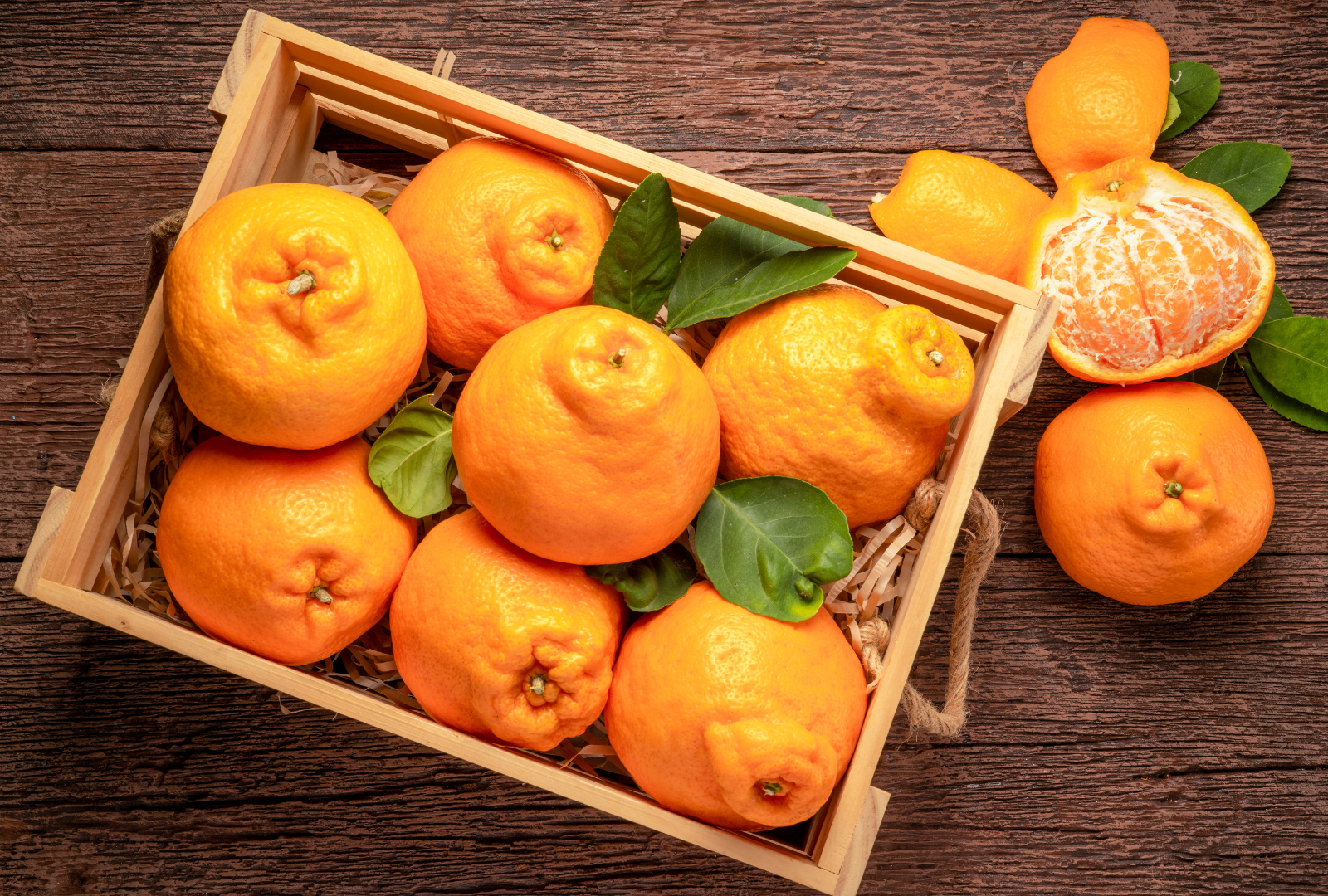
Kyle Barnett says there’s an element of participatory fun and engagement here that may well continue and have spin-offs. “I’ve been sent a video of a particular citrus fruit, called a sumo, and I did go and seek that out,” he says. “So, I think growers could benefit by getting their customers excited or having them seek out a first taste of something new, whether it’s driven online, or with a tasting experience in-store.”
3. A lower price point (despite tariff challenges)
While it started 2025 at a third of its recent 2022 peak of 9%, the US consumer price index (CPI) has been ticking up and could rise higher as tariffs on food and other imports go ahead. The US is the world’s largest import market for fresh vegetables.
This trend has been settling in. Sixty per cent of respondents told a McKinsey survey in July 2023 that grocery spending represented a significantly higher share of their income. And two thirds were seeking out lower-cost alternatives. Meanwhile, supplies to growers are rising in cost or just impossible to source, according to Trevor Terry, Executive Director of the Kentucky Horticulture Council and a former Chief Marketing Communications Officer for grape tomato grower, Kentucky Fresh Harvest.
“Most strawberry growers in Kentucky, whether they’re open field or CEA, get their plant material from Canada. And what with the tariff situation, they are looking for US-based alternatives.”
“This year our growers are finding it almost impossible to find strawberry plugs,” says Terry. “Most strawberry growers in Kentucky, whether they’re open field or CEA, get their plant material from Canada. And what with the tariff situation, they are looking for US-based alternatives.” He says there will likely be knock-on effects in pricing this year due to supply chain shortages and the spread of Neopestalotiopsis (Neo-P), a fungal disease impacting strawberry production.
4. An environmentally friendly and application-free product
The McKinsey grocery report also picks out a demand for sustainable products as a key driver – especially among younger shoppers. While just 16% of older baby boomers will pay more for an environmentally friendly product, that figure rises to 48% and 49% for Millennials and Gen Z respectively. And when they do make that environmentally friendly shopping choice, they also buy more.
“Products with ESG (environmental/social/governance) related claims achieve 1.7 percentage points more sales growth that products that don’t,” the consulting group noted.
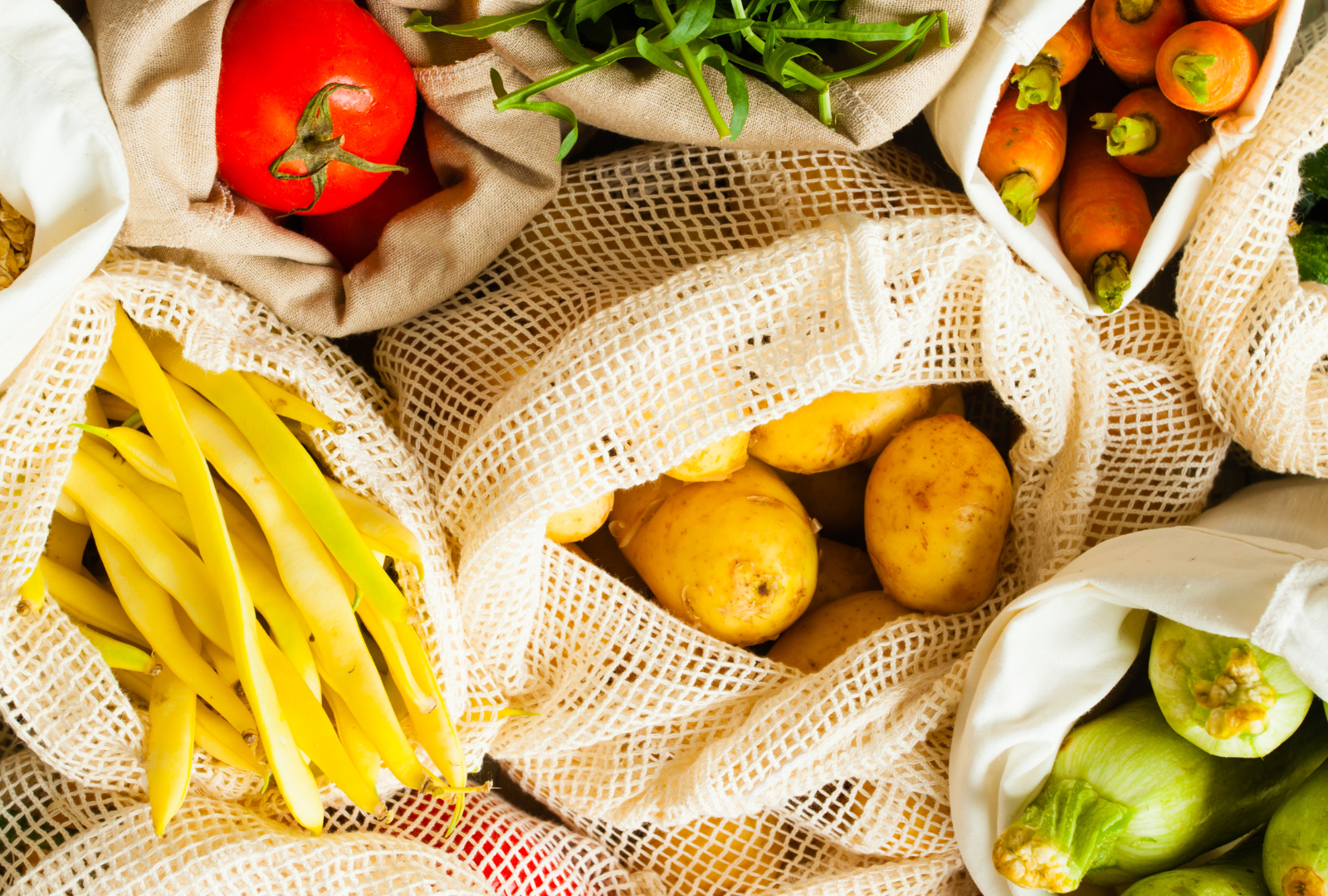
The group defined those products as “zero pollution, recyclable materials, or minimized packaging”. McKinsey highlighted Walmart’s 2017 project to remove one billion tons of greenhouse gases from its global value chain by 2030 which it achieved in February 2024. Consumers are also increasingly asking for plastic-free packaging.
“The demand for sustainable alternatives is growing, but the discussion about plastic remains complex,” he says. “Plastic is often functional and sustainable if you use it properly, but consumers simply don't want it anymore. Finding that balance remains a challenge.”
Dutch growers have been grappling for some time with the predicament that the packaging that most-effectively protects the product is out of favor with the consumer.
“I see a lot of movement around packaging,” says Maurice Wubben, Chair of Greenhouse Horticulture Netherlands and Program Manager at Robocrops.
5. Berries for Christmas and fresh is best
The deseasonalization of strawberry demand continues. It is something of a holy grail for strawberry growers to push production as far as mid-December, with the Tampa Bay and Central Florida Region particularly strong in winter production. There are signs that consumers are increasingly expecting their favorite soft fruits to be in store regardless of the time of year. Last year imports and domestic shipments of strawberries rose 2.2% in the first 10 weeks of the year versus early 2023.
The Packer magazine’s Fresh Trends 2024 survey of 1100 consumers found that 21% of consumers stated that they bought more blueberries, and 12% more strawberries, than they did 20 years ago. Overall, 68% of those asked said they bought more fresh produce than previously.

6. Strong perennials, but earlier spring demand
Greenhouse Management magazine’s 2024 State of the Industry Report found that US horticultural growers are growing more perennials, while a grower reported warmer winters bringing customers to the store early to start planting out.
When growers were asked what they were planting more of in their horticultural greenhouses, the biggest net growth of 24% was for more perennials acreage. Bob Berbee, CEO of Dutch Mill Greenhouse, in the central Ohio community of Marysville told the magazine that in the last two years the spring selling season has come much earlier: “The season started off tremendously early,” he told the magazine.
“We didn’t have a winter, and people were ready to plant stuff way before we felt comfortable selling the product. But it’s hard to turn people away. However, that also resulted in ending about a week or two earlier as well… I would say by Memorial Day 2024 we noticed sales had started declining rapidly.”
7. Locally sourced product, locally sourced consumers
Trevor Terry in Kentucky says that what started during Covid as hobby and small-scale growers taking produce to farmers’ markets has changed in recent years. He says there’s been an element of professionalization taking place in the direct sales market.
“Direct to consumer is huge,” he says. “It’s really growers with less than 10 acres mainly, because if you are larger than that you’re going after larger customers, but I’ve noticed the hobby actors dropping out and the people who were always in it for the business getting a lot more serious.”
“Direct to consumer is huge,” Kyle says. “It’s really growers with less than 10 acres mainly, because if you are larger than that you’re going after larger customers, but I’ve noticed the hobby actors dropping out and the people who were always in it for the business getting a lot more serious.”
For Kyle Barnett, what can make a difference is that consumers are becoming increasingly attuned to identifying local produce. “State-bound labels like ‘Made in Texas’ or ‘Made in South Carolina’ have been around for a long time,” he says, “but there’s even more emphasis on them now as shoppers actively seek out locally grown options."
8. Full circle social awareness
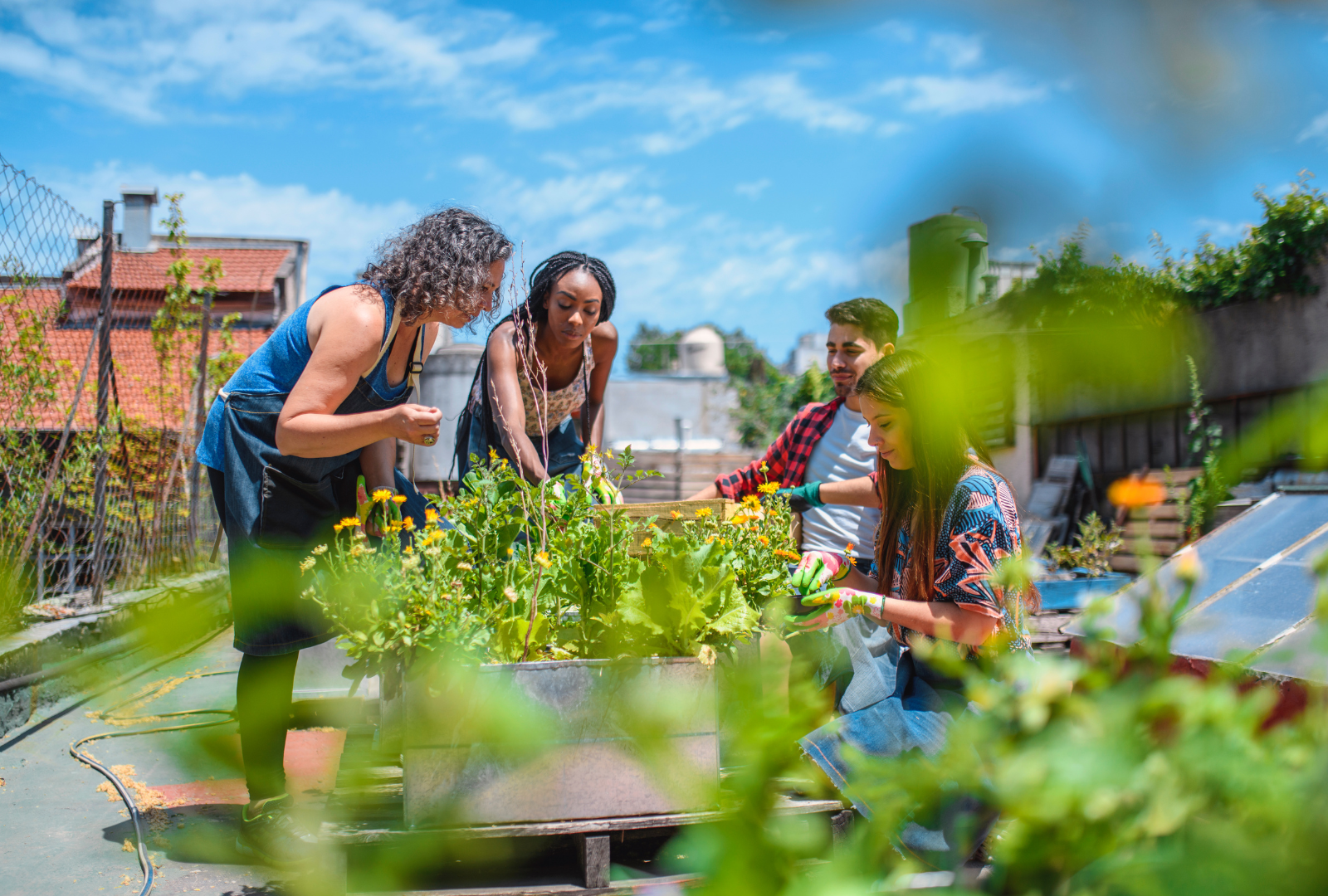
“I think this is something we’ll increasingly see from the younger customers, especially millennials and younger,” says Kyle Barnett. “They want to see the full picture of how you you're being conscious – how your practices have less pesticides because those are bad for the environment, how you're caring about the environment, how you are doing whatever with climate change, how your plastic is less because you care,” he says.
He says that on his podcast they’ve discussed a younger consumer that wants their choices to reflect their attitude.
“I think there's a change from, let's say, a baby boomer buying certain characteristics,” he says. “For the younger generations, it is more poignant to spend your dollar in a responsible manner that fulfills your drive and your world view. This could go down to the level of knowing a specific farm and its values.”
Summing up
It’s not easy to predict a trend. Our contributors had some advantages that made them fun to explore the topic with. They’re informed and curious, they keep their markets close and they’re regularly engaging with an audience to extract the bits and pieces of odd news that can add up to a significant shift in market behavior over time.
Thank you to our contributors
Kyle Barnett
Kyle Barnett is the host of the CropTalk Podcast, a CEA and agtech series running to more than 250 episodes and counting. He helps organize the Las Vegas-based Indoor Ag-Con event and is a former grower and food marketer.
Trevor Terry
Trevor Terry is Executive Director of the Kentucky Horticultural Council and an Economic Policy Officer of the Consulate General of the Netherlands in Chicago. He was previously Chief Marketing Communications Officer for Kentucky Fresh Harvest in Stanford.
Insights that shape the future.
See what’s driving change in horticulture markets worldwide.
05 Aug 2025 | Market insights
Are strawberries your next profitable greenhouse crop?
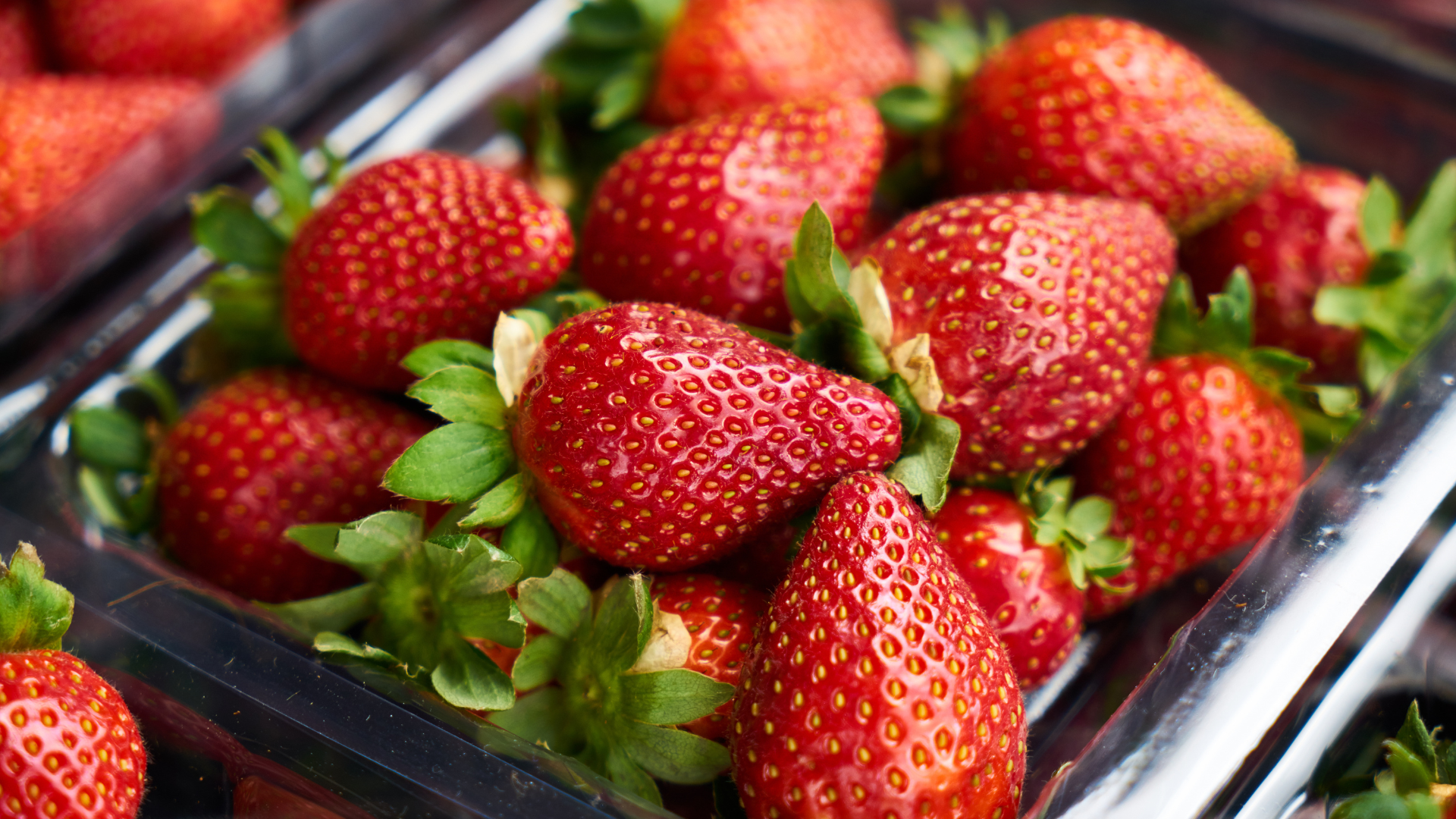
Strawberries are leading the global berry boom, with rising consumer demand and greenhouse production on the rise. Learn about market trends and expert strategies from Frank Kempkes to improve climate control, yield, and crop quality.

20 May 2025 | Market insights
Eight things U.S. retailers and their consumers are looking for from greenhouse growers in 2025
Growers must stay closely aligned with their customers’ needs—but what’s trending in store aisles? What are retailers ordering, and how can growers stay ahead of evolving demands, even before the data arrives? We explored the research and spoke with two trend-savvy CEA pros to find out.
06 Jun 2024 | Market insights
More Ontario light abatement projects to qualify for funding as Enbridge Gas broadens incentive program, boosts potential savings
Growers in Leamington and other regions of Ontario can now benefit from incentives for light abatement screens that previously didn’t qualify under the Enbridge Gas Agriculture Custom Incentive Program.

25 Jul 2023 | Market insights
Preventing higher gas consumption when purchasing LED lighting
Due to the high energy prices last winter, many growers left their SON-T lighting off or only continued with LED, even if they had a hybrid installation. But LED emits much less radiant heat, which can reduce the heat input in the greenhouse by up to 40 percent. This lower heat input must then be partially compensated by extra heat in the heating pipes. A second energy screen in combination with vertical fans can largely compensate for this, says climate consultant Bart Bakker.

09 Jun 2023 | Market insights
NEN — a way of measuring light transmission for greenhouse growing
What is NEN 2675+C1 and why does it matter for greenhouse growers? Learn how this standardized method measures light transmission in energy screens and helps compare performance accurately.

10 May 2023 | Market insights
Screening and energy savings in soft fruit
In the soft fruit sector, climate screens are not yet as widely used as they are in vegetable cultivation. However, this sector is starting to consider utilizing climate screens in it’s applications, mostly because of high has prices. At Delphy ISFC in Horst, tests are being conducted to determine if the sustainable cultivation of strawberries - with intensive use of climate screens and vertical fans - can be done with half the gas. The initial results are promising.