




Climate challenge
Improving airflow in greenhouses
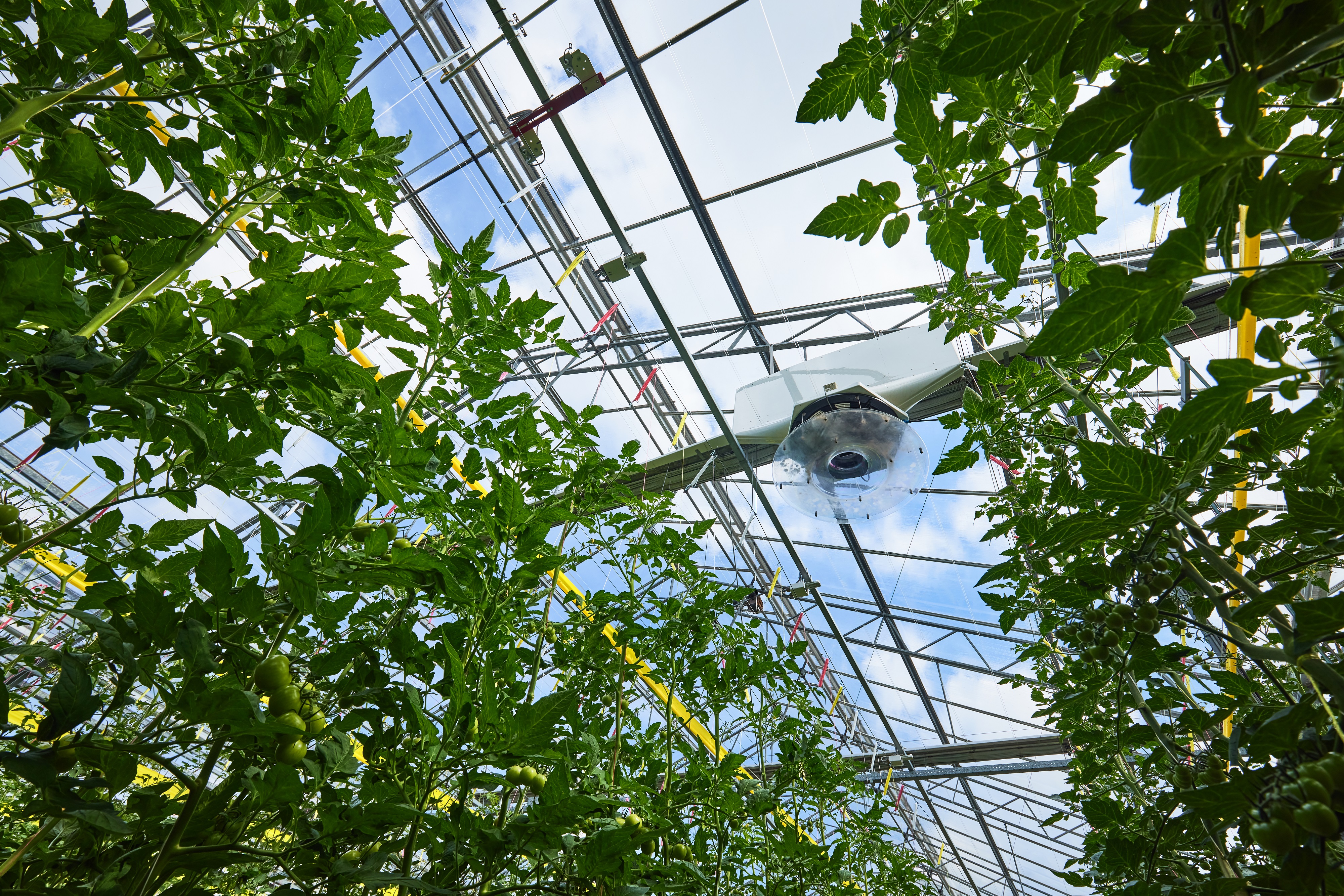
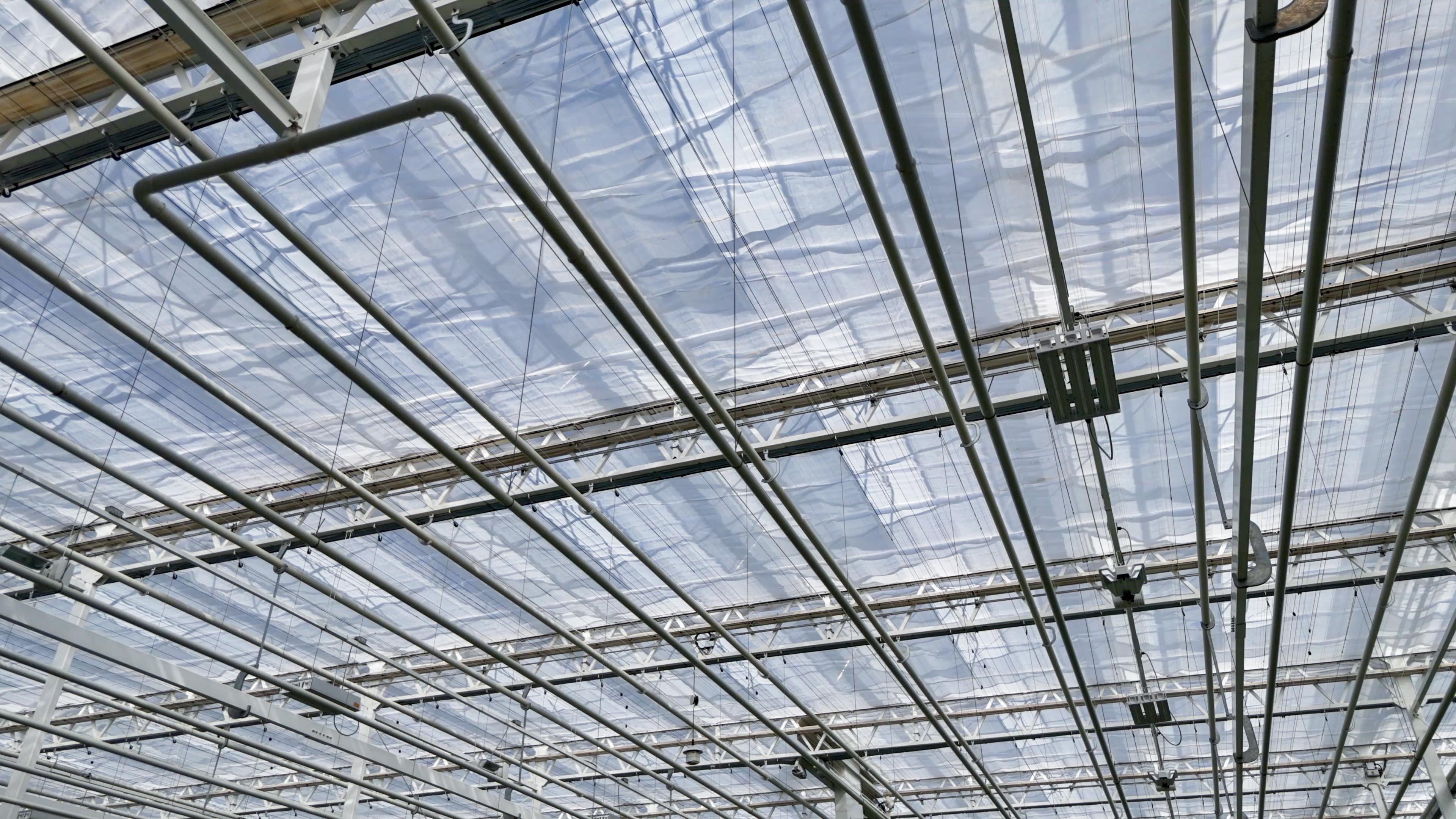
Poor air circulation is a hidden risk in many greenhouses. Without consistent airflow, growers face problems like uneven temperatures, trapped humidity, and crop stress. By improving vertical and horizontal air movement, you can create a more balanced climate that supports healthy, high-performing plants.
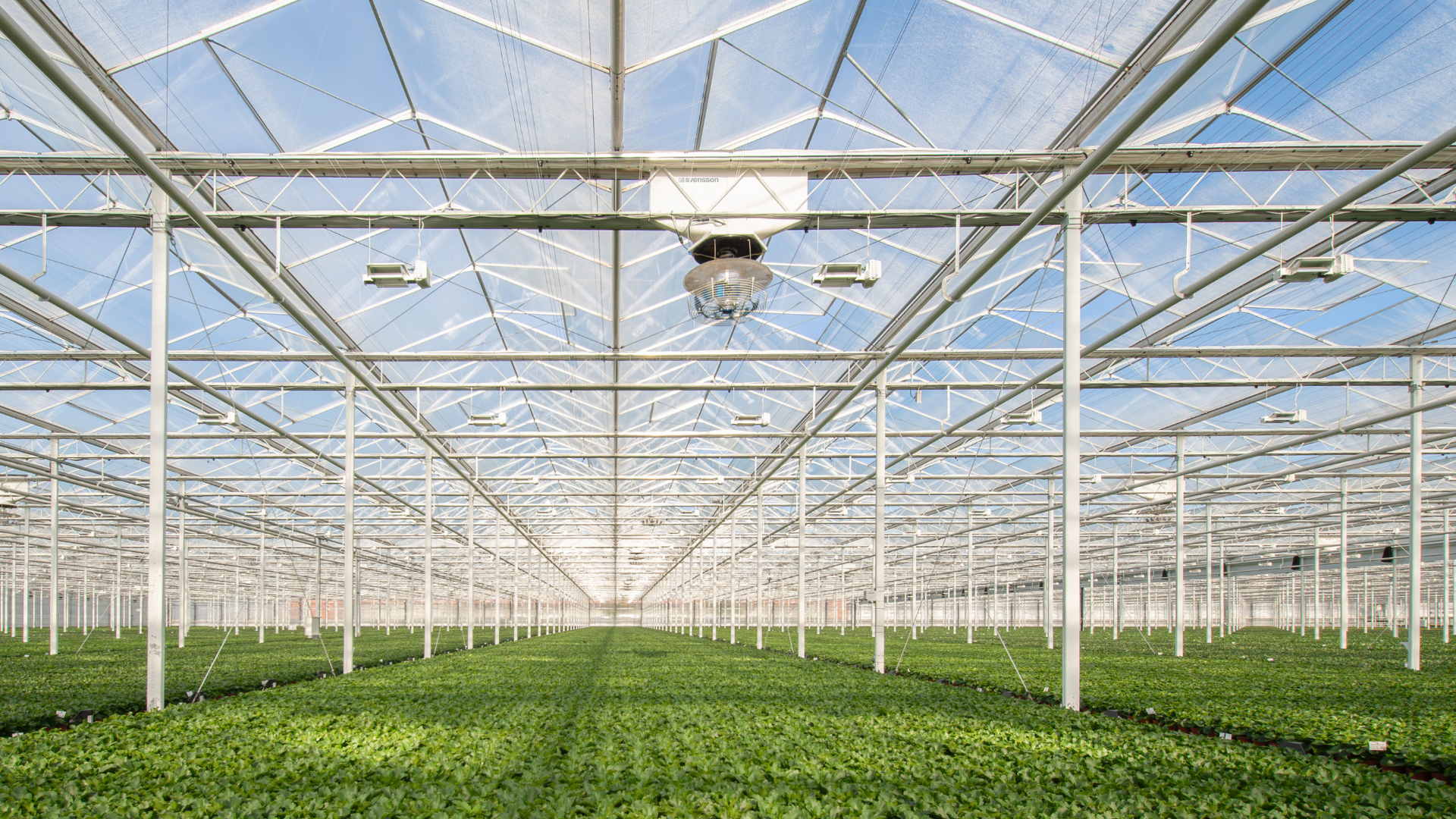
Products designed to enhance air circulation and create a more balanced greenhouse climate.
Want to improve airflow in your greenhouse?
Explore tips, tools, and proven strategies to boost ventilation and plant health.


Grower stories
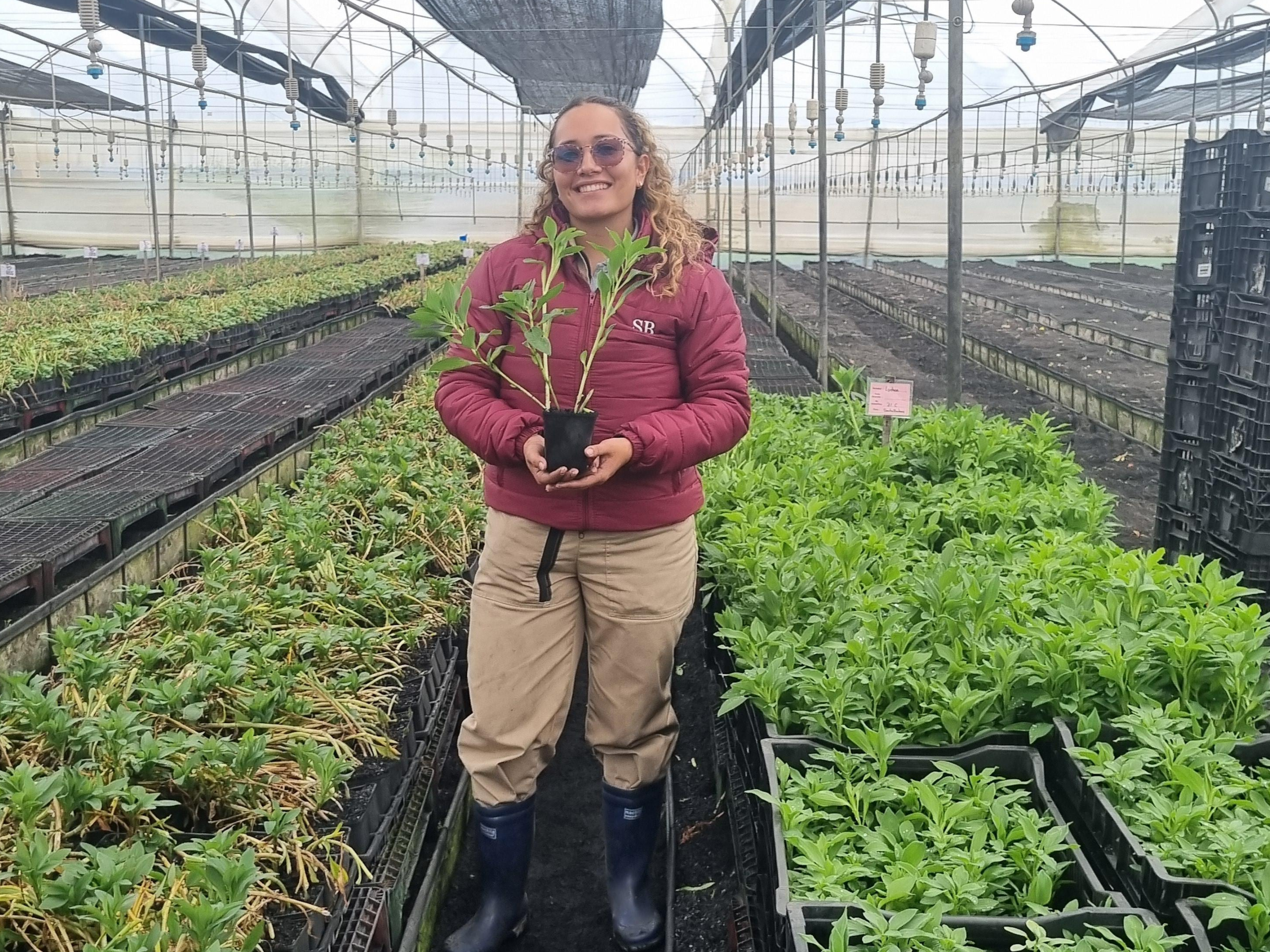
Explore stories of growers improving crop quality and climate control through effective airflow and ventilation strategies.


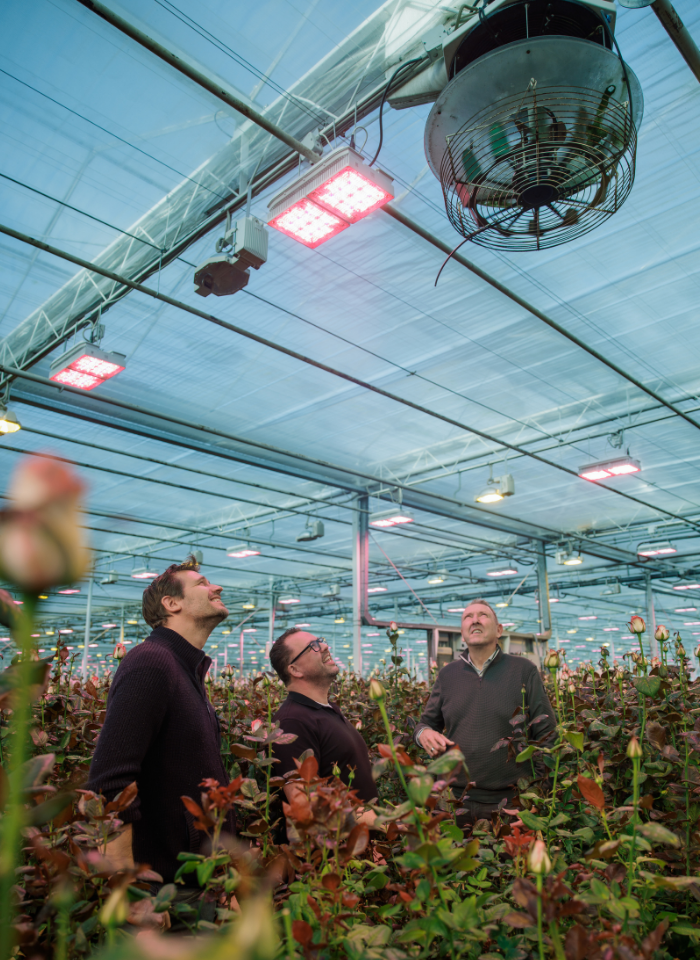


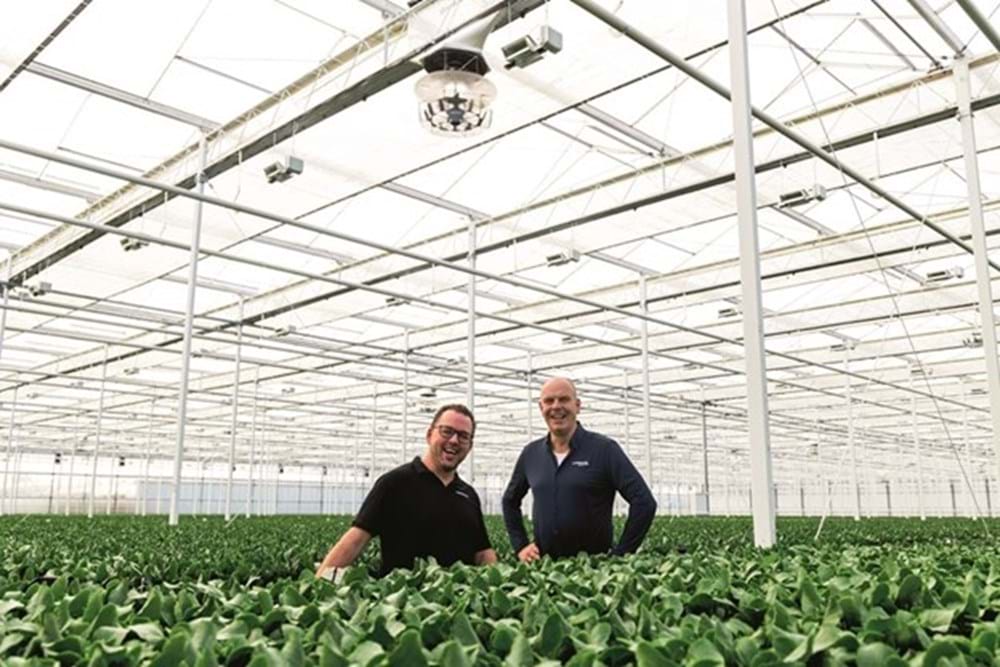
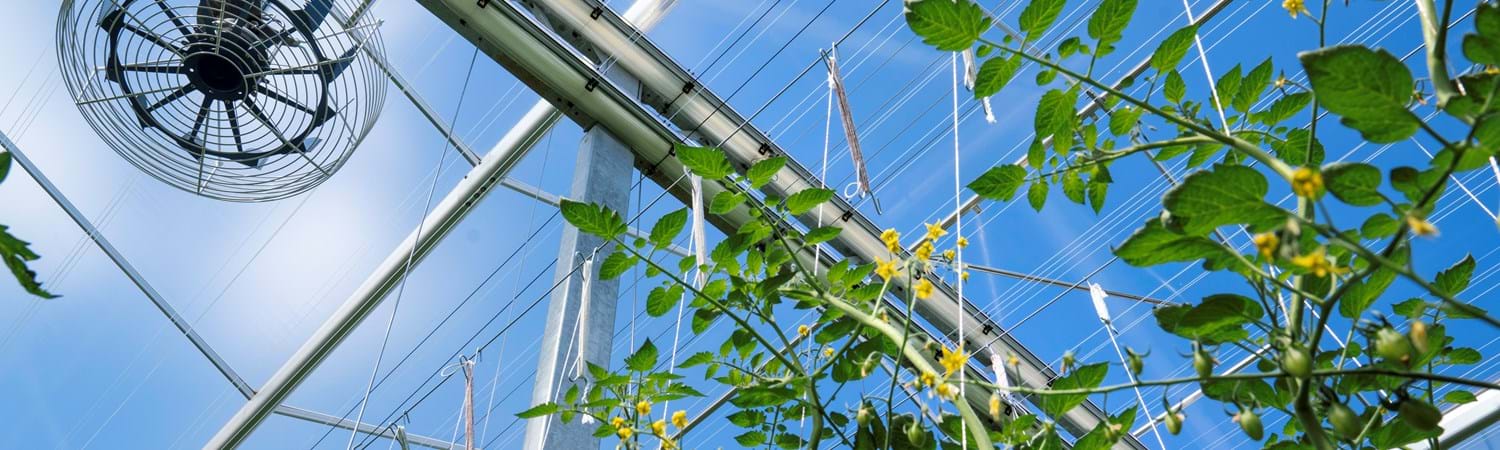


Managing airflow with ClimaFlow
ClimaFlow is a vertical ventilation system designed to address uneven temperatures, stagnant zones, and humidity buildup inside the greenhouse. By gently circulating air from the top of the structure down to the crop level, it mixes warm and cool layers to create a more uniform climate. This consistent airflow supports healthier plant growth, lowers disease risk, and improves overall energy use, especially when combined with climate screens.
Have questions or need personalized support?
Get in touch with our experts and take the next step toward a smarter, more efficient greenhouse.



Frequently Asked Questions
-
Why is airflow important in a greenhouse?
Good airflow is essential for maintaining uniform temperature and humidity levels throughout the growing area. It helps prevent hot or humid pockets, reduces crop stress, and supports healthier, more consistent plant development.
-
What are the signs of poor ventilation in a greenhouse?
Common signs include uneven crop growth, condensation on surfaces, localized heat or humidity build-up, and increased disease pressure. These are often caused by stagnant air that is not properly circulated.
-
How does improved airflow support energy savings?
By creating a more even climate, vertical airflow systems help your heating system work more efficiently. Less energy is wasted compensating for uneven temperatures, leading to better fuel use and cost savings over time.
-
Can vertical airflow be used in both heated and unheated greenhouses?
Yes. In heated greenhouses, it improves temperature uniformity and reduces heating demands. In unheated or passively heated greenhouses, it helps maintain a more stable climate by preventing cold air from settling near the crop.
-
What does “vertical airflow” actually do for the crop?
It breaks up layers of still air, moves humidity away from leaf surfaces, and evens out temperature differences between the top and bottom of the greenhouse. That means fewer condensation problems and steadier transpiration, even on calm days.
-
What crops benefit most from vertical airflow?
While all crops benefit from improved airflow, vertical systems are especially valuable for leafy greens, herbs, and high-wire crops like tomatoes, peppers, and cucumbers that are sensitive to climate fluctuations.
-
Do I need airflow solutions if I already use climate screens?
Yes. Screens help manage light and retain heat, but without airflow, temperature and humidity can become trapped above the screen. Vertical airflow ensures proper mixing of air layers and helps maintain a balanced climate throughout the growing area.
-
Can insect control screens affect airflow in my greenhouse?
Yes. Standard insect netting can significantly reduce airflow, which may impact humidity levels and overall climate balance. However, high-airflow insect screens like Xsect are engineered to block pests while allowing better ventilation, helping maintain airflow and a healthier environment for crops.
-
How does Harmony O E improve airflow in the greenhouse?
Harmony O E is designed with an open structure that enhances natural ventilation while diffusing light. Its breathable weave allows warm air to escape and fresh air to circulate, helping reduce heat buildup and create a more uniform climate without sacrificing light quality.
