Smarter large-scale cultivation at 4evergreen

-
- Greenhouse:
- 4evergreen
-
- Location:
- Steenbergen, Netherlands
-
- Crop:
- Peppers
-
- Challenge:
- Contributing to future-proof bell pepper cultivation
-
- Solution:
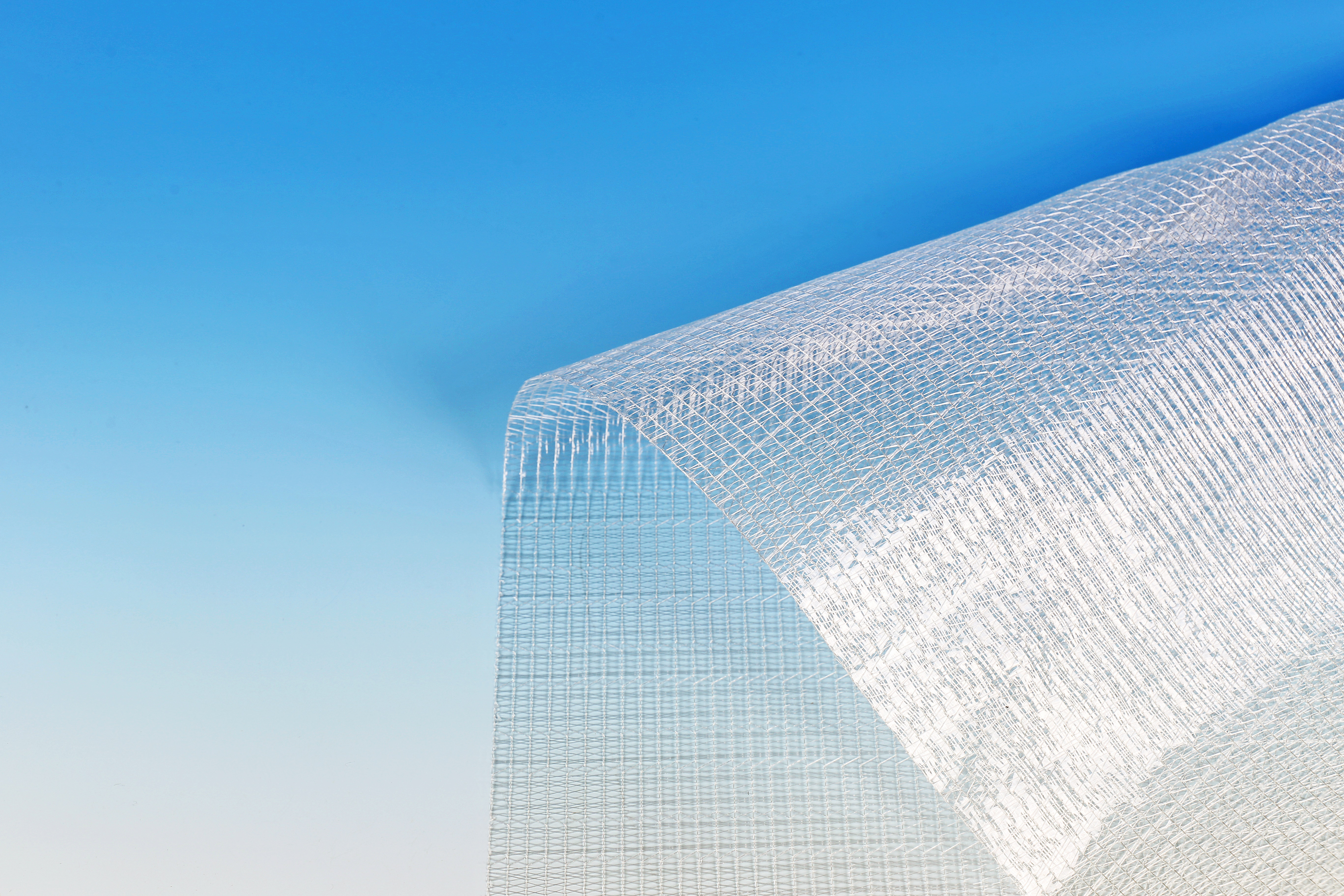
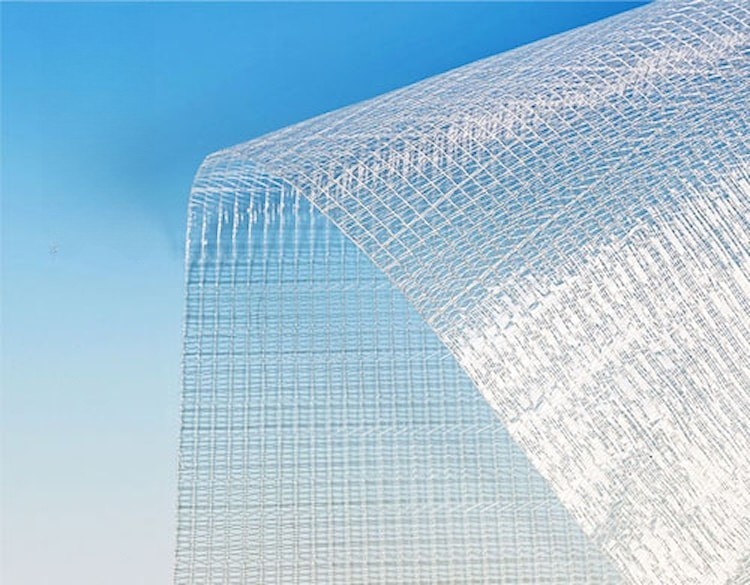
- Luxous 1147 H2no FR, Luxous 1147 FR
JULY 2026
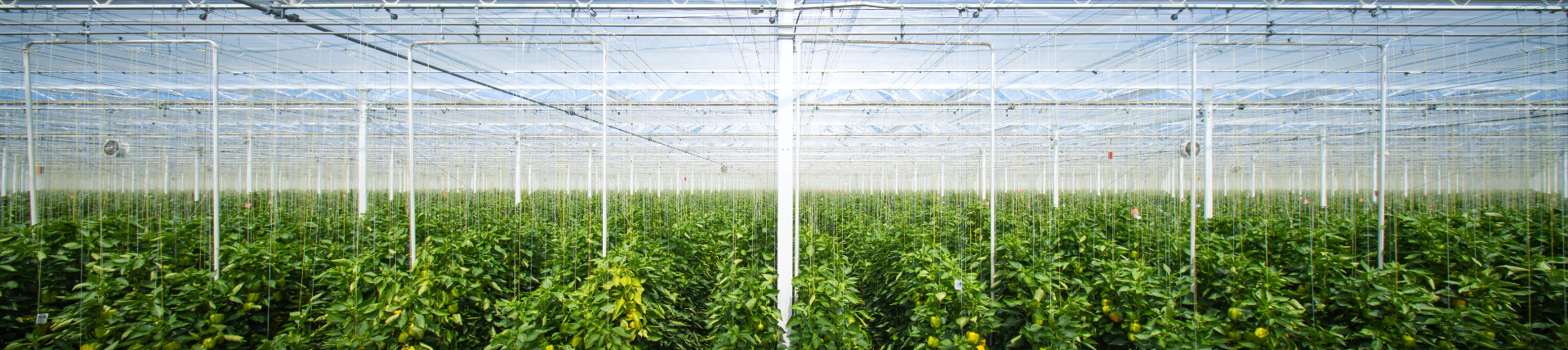
What started in 1969 with a single grower has grown into 4evergreen: a family business with approximately 155 hectares of bell pepper cultivation, spread across multiple locations in the Netherlands. Over the years, not only did the acreage grow, but also the ambition to cultivate ever smarter and more sustainably.
That focus is reflected throughout the entire organization. From geothermal energy, waste heat, and heat storage to water reuse, modern cultivation systems, including double screens, and innovative climate strategies: 4evergreen continuously invests in solutions that contribute to future-proof bell pepper cultivation. At the main location in Steenbergen, Sebastiaan Vermeulen puts this into practice on a daily basis.
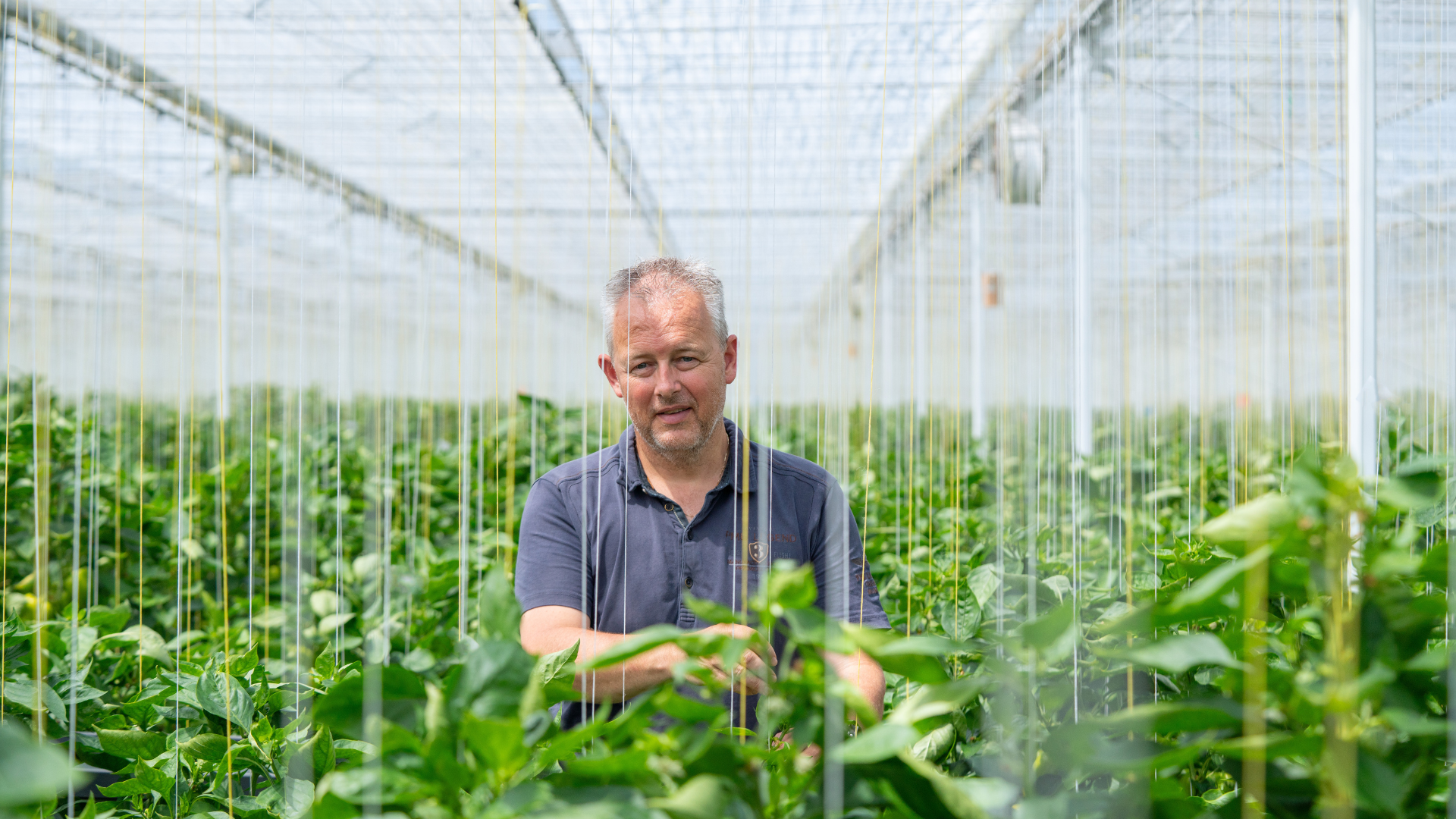
Responsible for 24 hectares in Steenbergen
As site manager and cultivation manager, Sebastiaan oversees 24 hectares of bell pepper cultivation on a daily basis. In doing so, he looks beyond his own location. Within 4evergreen, a great deal of knowledge is shared, and work is based on a common vision. “We try to work in the same way as much as possible. The management safeguards that unity within the company. Of course, every location has its own challenges, but the broad outline is the same everywhere.”
According to Sebastiaan, that is precisely where the strength of a large family business lies. “The level of commitment is high. You feel that reflected throughout the organization. Communication lines are short and the sense of responsibility is strong. Even though we have grown considerably, you still know who you are doing it for.”
New insights through The New Cultivation
As Sebastiaan looks back on his career, he sees one development that has strongly influenced his cultivation methods. "I think the philosophy behind The New Cultivation sparked the most change. It made us look at certain processes differently. That has really had an impact on the way we manage the climate." In particular, the use of screens changed fundamentally as a result. "Previously, we used screens primarily for energy conservation. Thanks to The New Cultivation, we started using screens much more intensively and also began looking at aesthetics differently. That is now firmly embedded in our business strategy."
Dual Luxous screens as standard
At the Steenbergen location, that vision translates into a double screen installation. Double Luxous screens from Svensson are used in all greenhouses. “We have had double screens here for years. In two greenhouses, they have been in place for about twelve years now, and in the other two for about eight years. Everything built within 4evergreen since then has essentially been equipped with double screens as standard.”
While energy saving was initially the primary reason for the investment, new benefits have been added over the years. “In the winter, energy saving is of course still essential. Without screens, it simply becomes very difficult. But nowadays we use screens all year round. Even in the middle of summer.”
According to Sebastiaan, that requires a different way of thinking. "In the past, we mainly screened against incoming radiation. Now we also screen against outgoing radiation. Even when it is thirty degrees outside, we still use the screens. Not completely closed, but in such a way that we limit radiation." It was precisely this latter aspect that led to new insights. “When we started screening against outgoing radiation, all sorts of new issues arose. How close do you go? When do you close them? Are you not retaining too much heat? What happens to your moisture balance? Those were discussions we didn't have at all before.”
Learning, testing and improving
To further develop this knowledge, 4evergreen actively invests in training and knowledge development. “We have advisors, but in addition, we have also engaged extra expertise regarding The New Cultivation. Several colleagues have taken courses, and employees are currently participating in a specific bell pepper group within The New Cultivation.” New screening materials are also being closely monitored. Part of the screening installation at the Steenbergen location was recently renewed.
“Last winter, we replaced the oldest screens in two greenhouses. The other two will follow this coming winter. For this, we chose Luxous 1147 H2no FR. We did this on the advice of Hugo Plaisier from Svensson, who has been guiding us for years regarding climate and screen strategy.” Hugo explains: “The advantage of this screen is that light transmission remains high, even if the screen becomes condensed. This is because condensation droplets spread out to form a continuous film of water. As a result, no light loss occurs, which can amount to as much as 8% with other screens.”
Ready for the future
At the Steenbergen location, significant investments have been made in recent years to keep the company up to date. For instance, the entire cultivation system was renewed. “At one point, the company was twenty years old. We completely replaced the cultivation system with a modern suspended gutter system. As a result, the company is fully up to date again.”
This yields benefits not only for cultivation but also for the employees. “It is more pleasant to work in, easier to keep clean, and ensures greater working comfort.” Looking ahead, Sebastiaan sees further automation and robotization as a logical next step.
Labor is becoming increasingly expensive. As a result, automation is naturally drawing closer. The systems are not yet fully in place, but as soon as the need increases, developments can suddenly accelerate.
At the same time, according to him, the basics remain unchanged. “You can measure more and more, but ultimately it is about understanding what is happening in your greenhouse. We use sensors primarily to understand things better. Once we understand it, we try to anchor it in our strategy. Then, eventually, you no longer need that sensor.”
Curious what made it all work?